

























































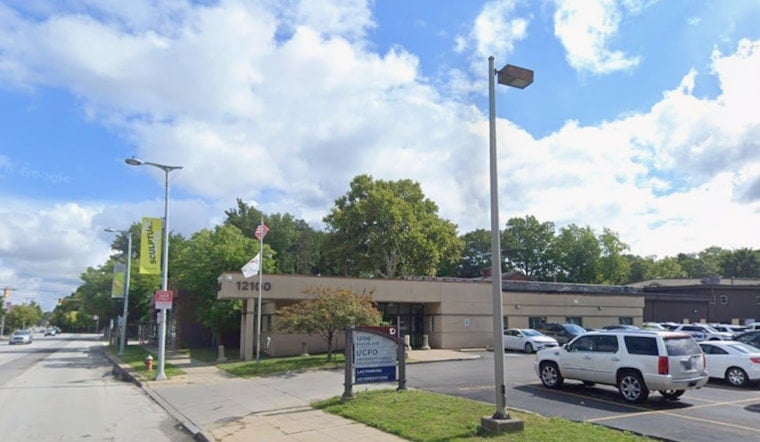
In Cleveland's Little Italy, a neighborhood fight is brewing over who pays to keep extra police on the block. Community leaders are asking property owners to approve a Special Improvement District that would add an assessment to local tax bills and keep University Circle Police and neighborhood services on duty after an existing patrol agreement runs out. The charge would cover supplemental policing, snow removal, and street cleaning, shifting costs from the big institutions in University Circle to individual property owners. The plan has split residents, with supporters saying the extra patrols keep the main strip safe and lively and opponents calling it "taxation without representation."
According to News 5 Cleveland, the memorandum of understanding that lets University Circle Police patrol Little Italy was approved by the City Council in 2022 and is scheduled to expire at the end of 2026. University Circle Police Chief Thomas Wetzel told the station that the patrols were paid by voluntary contributions from Circle institutions and that University Circle Inc. covered Little Italy services out of its operating budget to bridge the gap.
Ray Kristosik, executive director of the Little Italy Redevelopment Corporation, says the proposed SID would require at least 60% approval from property owners and estimates a homeowner with a $300,000 property would pay roughly $390 a year under the plan, according to WOIO. Organizers have been collecting notarized petition signatures and staging sign-up sessions as they try to reach the threshold. Supporters say the extra layer of patrols has been a visible benefit to both businesses and longtime residents.
University Circle already created its own Special Improvement District in 2025 to fund UCPD and other services, and the district's service plan lays out a multi-year budget and governance structure that ties assessment dollars to the SID's geographic boundaries, not Little Italy's, according to the SID service plan published by University Circle Inc. That service plan includes annual reporting, an advisory committee, and provisions intended to increase transparency around UCPD operations.
How the SID would work
Under the draft, assessments would be added to property tax bills to pay for supplemental services, primarily UCPD patrols, along with street cleaning and seasonal snow removal. Kristosik told local media the group used market value to set assessments. WOIO reports the draft multiplies a property's market value by 0.0013, which yields the roughly $390 example for a $300,000 home. If property owners representing the required share of frontage or ownership approve the petition, the assessment would be levied and collected through the city's tax cycle.
What if voters say no
If the SID petition falls short, Cleveland Police would remain the primary agency responsible for patrols and responses within city limits, and the visible supplemental coverage from UCPD could end, the city told News 5 Cleveland. Backers argue that without a local funding mechanism, the neighborhood risks losing the consistent foot and bike patrols that have helped reduce nuisance calls and support later business hours.
Broader debate over private policing
The Little Italy conversation taps into a longer debate about private and institutional police forces operating outside campus boundaries: when the City Council moved to expand UCPD and Case Western's jurisdiction in 2022, it drew public concern about oversight, body-camera rules and complaint review, as reported by Ideastream Public Media. Opponents of the Little Italy SID say assessments could fall hardest on older residents and those on fixed incomes, while proponents counter that spreading the cost across many properties preserves a safety net institutions no longer subsidize.
Leaders say they are continuing outreach and petition drives this spring and hope a new funding model will be in place by 2027 to keep supplemental patrols intact, according to Signal Cleveland. The path forward depends on whether enough property owners sign the petition and whether the city approves the assessment to appear on tax bills.




