

























































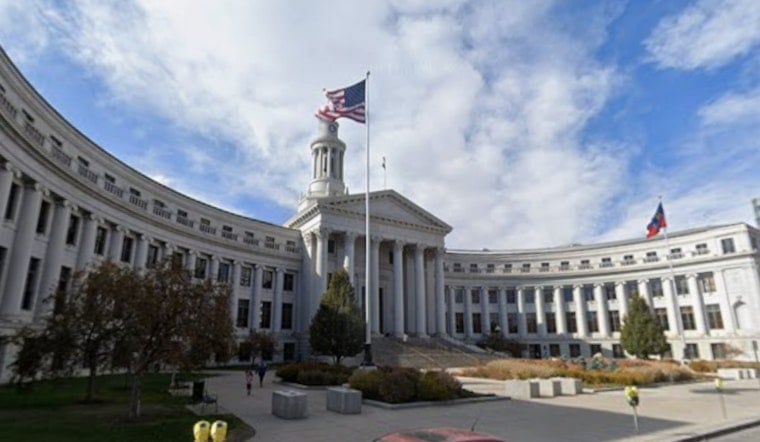
Denver leaders are inching toward asking voters to slap a fresh tax on big-ticket fun, from Broncos games to major concerts. A proposed tiered “ticket tax” would tack on between 5% and 15% to original ticket sales at large, privately owned venues. Supporters say it could pull in about $30 million a year, all earmarked for street safety and multimodal transportation projects instead of the general fund.
How the Ticket Tax Would Work
The proposal breaks tickets into three price tiers: anything under $100 would get a 5% surcharge, seats priced from $100 to $250 would be charged 10%, and tickets over $250 would see a 15% hit. The tax would apply only to original sales at qualifying private venues with large capacities, skip the resale market entirely, and specifically exempt city-owned facilities. 9NEWS first laid out the details.
Existing Seat Tax Framework
Denver already charges what is known as a facilities-development admissions, or “seat,” tax on events at city-owned venues. That 10% levy, along with the language that carves out city facilities, is already baked into municipal ordinance and past council actions. Sponsors leaned on that existing structure when crafting the carveout for municipal venues while aiming the new tax squarely at privately owned stadiums and amphitheaters. Those provisions are reflected in documents posted on the City and County of Denver Legistar.
Where the Money Would Go
City officials and council sponsors say every dollar from the proposal would be locked to transportation and safety work, not day-to-day operating expenses. They point to efforts such as the Safe Routes to School action plan and projects called for in Denver Moves Everyone as examples of how the money could be used. The push comes amid a spike in traffic violence, with 93 traffic deaths recorded in the city in 2025, a sobering figure advocates frequently cite when arguing for dedicated, long-term funding. The focus areas mirror the priorities laid out in Denver Moves Everyone, while the death toll was highlighted in local coverage by Denver7.
Who Is Pushing Back
Some of the city’s biggest sports and entertainment players did not wait long to fire back. The Denver Broncos, Colorado Rockies, Denver Summit FC, and Kroenke Sports & Entertainment issued a joint statement warning that a tax at these levels would fall squarely on fans and could ripple through the live events industry and the thousands of local workers it supports. The mayor’s office has also raised alarms that the added cost might make it tougher for music lovers, sports fans, and families to afford nights out. Those concerns and the team’s joint statement were reported by 9NEWS.
What Happens Next
The measure is set to move through the usual city hall grind. It will first head to the council committee that handles transportation and infrastructure, then, if it clears that hurdle, advance to a vote of the full 13-member council. If the council signs off on placing the question before voters, it would appear on the November 2026 ballot. Under Denver’s municipal code, the mayor can veto an ordinance, but that veto can be overridden only if nine councilmembers line up together. The process and powers are spelled out in the Denver Code and in the current City Council committee structure.




