

























































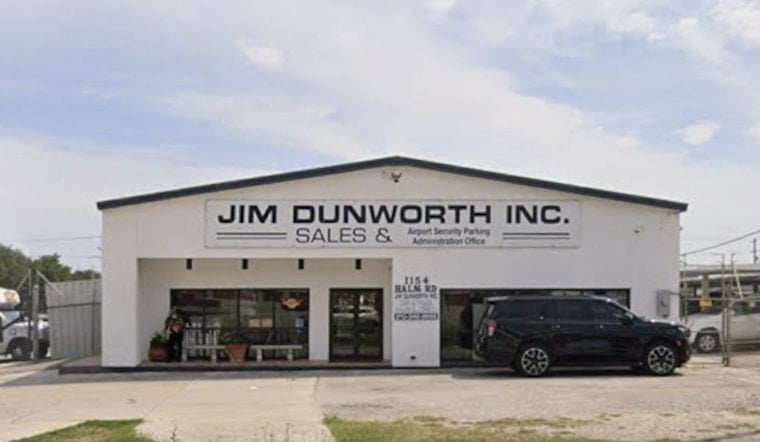
San Antonio dealership Jim Dunworth Inc. says nearly $1 million disappeared from its bank accounts in a matter of minutes, and now it is taking several financial heavyweights to court. The business filed suit on June 16, 2026, alleging scammers posing as bank staff pulled off a rapid series of wire transfers that left the longtime dealership scrambling to claw back its cash.
What the lawsuit alleges
According to the San Antonio Express-News, the complaint says callers using a number tied to Broadway Bank convinced dealership employees to follow instructions while 12 wire transfers were set up through Broadway’s iBiz platform. Those transfers totaled $995,170.
The suit claims Broadway waited close to an hour before sending out its first recall request on the wires, a delay that could become a key issue in the case. Ten of the transfers allegedly landed in Discover accounts, and only a portion of one transfer has been recovered so far.
How Capital One factors in
Capital One completed its acquisition of Discover on May 18, 2025, according to the company's SEC filings. Dunworth’s lawsuit pulls Discover and Capital One into the legal fight, alleging those institutions did not move quickly enough to freeze or retrieve the money after Broadway sent recall requests.
Timeline and damages alleged
An earlier Express-News report lays out the March 7, 2025 sequence of events. Broadway emailed customers around 3:55 p.m. warning about fraudulent calls even as the disputed wire transfers were being processed. Representatives for Dunworth say they told the bank the transfers were unauthorized only minutes after the last one posted.
The complaint is asking for actual, treble and exemplary damages, along with attorneys’ fees and interest. It also notes that Dunworth has been a Broadway customer for more than 35 years, a banking relationship the lawsuit suggests should have prompted faster action.
Banks' response and fraud defenses
Broadway has said it does not comment on pending litigation, but the bank points to its focus on customer support and fraud education. On its website, Broadway urges customers to “hang up” on suspicious callers and then contact the bank directly using trusted numbers, a bit of advice that reads differently when laid next to Dunworth’s allegations.
Court filings show Dunworth initially sought permission to question a Broadway representative under oath before filing suit. Instead, both sides later agreed to exchange certain documents, setting the stage for the dispute to play out on paper rather than in an early deposition.
Broader pattern
The case lands at a time when financial institutions and regulators are sounding the alarm about impersonation schemes and robocall scams that target both individuals and businesses. Capital One has recently pursued legal action aimed at disrupting some of those networks.
For context, Capital One has outlined lawsuits and other efforts to identify and shut down scammers, while local reporting has warned that AI-powered voice spoofing is making these cons more convincing. Coverage from KSAT highlights a rise in impersonation scams in the San Antonio area.
What’s next
The lawsuit will move forward in Bexar County state district court, where a central question is likely to be whether the banks acted quickly and reasonably in trying to freeze or recall the transfers once the fraud was flagged.
Dunworth’s attorney has declined to comment in earlier coverage. As more court filings land and the banks formally respond, the legal back-and-forth will shape how far responsibility extends for money lost in a scam that started with a phone call.





