

























































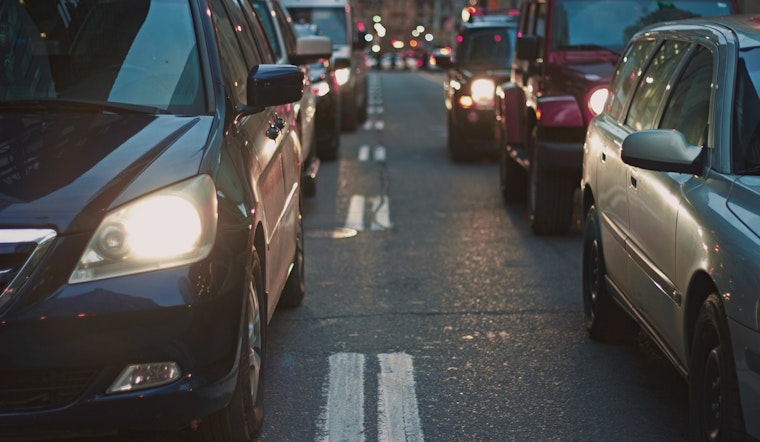
Six dollar gas is not scaring Los Angeles drivers off the road. Even as regular unleaded blows past that painful mark, cars are still packing the freeways and only a trickle of commuters are giving transit a try. For a lot of Angelenos, the choice between a long, winding bus trip and a 30-minute crawl in traffic is not much of a choice at all.
A Caltrans snapshot covering roughly eight weeks that ended April 23 found no major drop in vehicle miles traveled on big corridors. Sections of I-405, I-10 and I-5 showed a mix of small increases and modest declines, which worked out to little net change across the region, according to Reuters. In other words, eye-watering pump prices have not yet turned into widespread driving cutbacks.
Meanwhile, gas prices have climbed into the 6 dollar range across the county and are squeezing household budgets. AAA tracking put metropolitan Los Angeles averages above 6 dollars in mid May, a level that hurts wallets but has not produced a collapse in overall driving, according to The Sacramento Bee. People are clearly feeling the sting; they just are not ditching the car keys.
That stubbornness lines up with a longer-running pattern. A 2006 paper from the National Bureau of Economic Research found that drivers in the 2000s were far less responsive to price spikes than motorists during the oil shocks of the 1970s. The paper’s short run elasticity estimates showed only small reductions in miles driven when prices go up, meaning gasoline demand barely budges in the near term, according to the National Bureau of Economic Research.
Why Drivers Keep Filling Up
The way Los Angeles is built helps explain why people keep topping off. Transit trips nudged up in March and April as the LA Metro network added stations and service, but those modest gains have not been nearly enough to pull large numbers of commuters off the freeway, as reported by Reuters. “Small reductions in vehicles on near capacity freeways can create outsized changes in flow,” transportation scholar Brian Taylor pointed out, while commuter Marco Falcon said he thinks people are “immune” to high gas prices and that buses would take “three to four times longer.”
Even when behavior does shift, it tends to be around the edges. Many consumers say they are cutting back on nights out and stretching the time between fill ups rather than changing how they commute, a trend the Los Angeles Times documented. Gas price pain is clearly nudging budgets, but the time savings and convenience of driving are still winning the daily argument.
For Los Angeles, the practical takeaway is that even sharp price shocks at the pump may not quickly transform commuting habits. Traffic planners are more likely to get results from targeted moves such as ramp metering, better managed carpool lanes and small capacity tweaks that can turn slight drops in car trips into real congestion relief. Until transit can match or beat driving for speed and directness for many more riders, the region’s freeways are likely to stay stubbornly jammed, no matter what the numbers on the gas station marquee say.





