

























































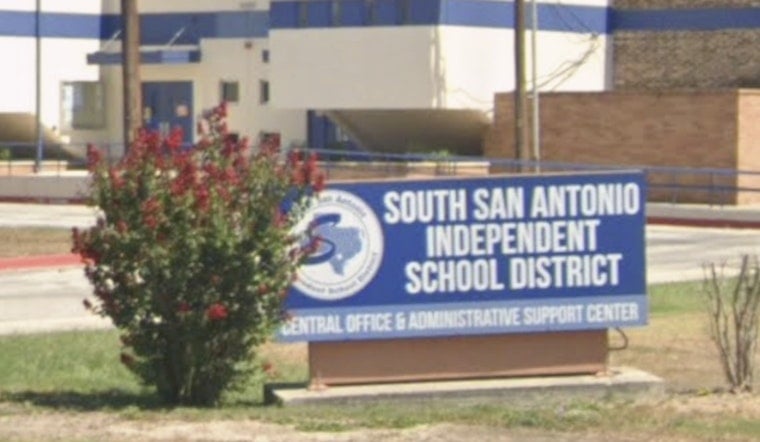
South San Antonio ISD is teeing up a quietly high-stakes tax question for voters this November, asking for a technical shift in its property-tax structure that could have big implications for classrooms and campuses. The district wants permission to move seven pennies from the debt-service side of the tax rate into the maintenance-and-operations bucket. Officials say the swap would not increase the overall tax rate but would free roughly $6 million to $8 million a year for staff pay bumps and urgent building repairs. Superintendent Saul Hinojosa has pointed to leaks at multiple campuses and a hefty HVAC backlog as proof that the district needs the money now. The clock is ticking in part because a state-mandated efficiency audit has to be wrapped up before the board can even call an election.
The proposal, known as a Voter-Approval Tax-Rate Election, or VATRE, would shift 7 cents from the interest-and-sinking (I&S) portion of the rate to maintenance and operations (M&O), unlocking revenue for employee compensation and campus projects, as reported by San Antonio Report. VATRE details and budget figures have been laid out in recent board meetings and in the district's public records, where the tax item appears in meeting packets and supporting documents. Board minutes show the VATRE listed as a key agenda item while trustees weighed different budget options.
State law requires school districts to complete an "efficiency audit" before putting a VATRE on the ballot and to hire an auditor on a timeline that effectively pushes South San to finish that work this summer if it wants a November election. The requirement and the timing are spelled out in Texas Education Code Section 11.184. Texas Education Code.
What the VATRE Would Pay For
District leaders say the extra M&O dollars would be steered toward immediate facility fixes, classroom needs and staff compensation. Superintendent Hinojosa told San Antonio Report that six campuses reported leaks after a recent thunderstorm and that roof repairs alone could run about $2.5 million to $3 million. On top of that, the district is staring at roughly $25 million in deferred HVAC work. The district's VATRE materials break down targeted projects campus by campus, from lighting replacements to upgraded HVAC controls, along with cost estimates for several of those line items. South San ISD.
Local Voter Climate
There is no guarantee voters will go for the tax swap. Recent history in the San Antonio area suggests a cautious mood toward school tax-rate elections, a trend that will likely shape how South San crafts its pitch and turnout strategy. Texas Public Radio has detailed how nearby districts fared when similar VATREs landed on local ballots.
Next Steps And Timeline
District officials say the board will need to select an auditor, complete the efficiency audit and hold public hearings before deciding whether to formally call a November election. State statute requires that the audit results be posted ahead of any vote. The South San district is currently operating under a state-appointed board of managers and a superintendent appointed by the Texas Education Agency, Dr. Saul Hinojosa, whose selection was announced in February 2025. TEA outlines procedural steps the board must follow as it evaluates the VATRE, and the district's own VATRE page walks through the same required process for local voters. South San ISD.
What happens next: watch for the board to pick an auditor, release the efficiency audit findings and set public meetings. Then comes the political test, as community groups and homeowners' associations decide whether to rally behind or rail against the tax-penny shuffle heading into the November ballot.




