

























































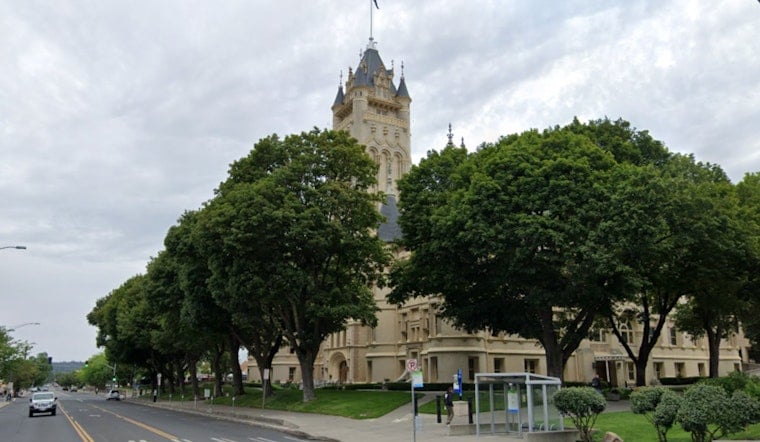
Felony domestic violence suspects in Spokane County are increasingly walking away without charges, as prosecutors quietly decline more cases and send some people back out the door. Detectives and victim advocates say they have been forced to triage the worst of the worst while survivors race to find shelter beds and lawyers. The quiet shift has set off alarms inside police departments, courtrooms and community groups across the county.
From June 2024 to April 2026, the Spokane County Prosecuting Attorney’s Office filed 5,866 cases and declined 766 felony domestic violence referrals, roughly a 13% decline rate, with declinations peaking at 25 in March, according to InvestigateWest and The Associated Press. Records provided to reporters show a growing stack of emails from prosecutors to police explaining why specific referrals will not be filed. Some of those notes end with a blunt warning to detectives: “we’ll see this family again.”
Sgt. Dave Adams, who leads the Spokane Police Department’s domestic violence unit, told reporters he watched those declined-case emails climb from one or two a month into a steady stream last fall. He said detectives are no longer assigned to many invited no-contact order violations. Support systems are straining at the same time: the YWCA of Spokane reports its shelter is full, and the number of people seeking legal help has nearly doubled since last year, according to The Seattle Times. Advocates say that on the ground, it translates into fewer investigations and more repeat incidents for families already in crisis.
Statewide Court Rule Is Reshaping Charging Decisions
Advocates and prosecutors alike point to a June 2025 Washington Supreme Court order that set new public defense caseload limits as a major driver of the changes. The order caps a full-time felony public defender at 47 case credits and gives jurisdictions up to 10 years to fully comply. The Office of Public Defense notes the rule took effect on Jan. 1, 2026 and is intended to fix a long-overloaded indigent defense system. Local officials counter that they do not yet have the staffing or funding to meet those standards, and say that mismatch effectively forces prosecutors and judges to ration the attorney hours they do have.
Legal Consequences and Comparisons
Prosecutors frame the shift as risk management: focus on the strongest, clearest cases and decline those that are less likely to survive trial without adequate defense or prosecutorial resources. Public data from King County’s dashboard shows a much higher decline rate for Superior Court referrals over the same period, highlighting how charging decisions can vary sharply by region, according to King County. In neighboring Oregon, the state supreme court has already ordered more than 1,400 cases dismissed because defendants did not have lawyers, a cautionary tale some Spokane-area officials cite when arguing for a more selective filing approach, as reported by The Guardian.
Spokane County Prosecuting Attorney Preston McCollam, appointed in July 2025, says his office is still prioritizing violent and repeat offenders but is currently operating with about 40 criminal lawyers when it needs more than 50. Officials note that the state Legislature did allocate more money for local public defense in the 2026-27 budget, yet county leaders argue the bump still does not cover what is required to meet the new caseload rules and avoid further triage, as detailed by reporting from InvestigateWest and The Associated Press.
Victim service providers say redirecting people to civil legal clinics and shelters is no replacement for criminal accountability when violent offenses go uncharged. They are pressing for sustained hiring and targeted funding for both public defenders and prosecutors so that domestic violence cases can be fully investigated and litigated. Until that happens, detectives, advocates and judges are left juggling limited resources while survivors wait for stable options for safety and legal recourse, a situation local officials say will not truly change without coordinated action at both the county and state levels.





