

























































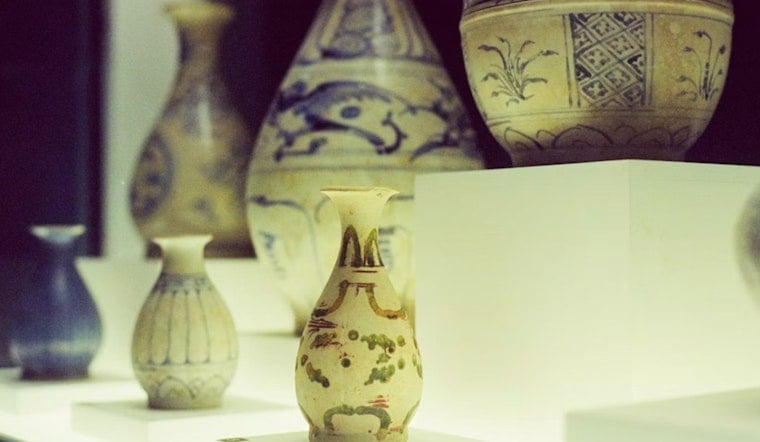
Federal agents in Tampa are sorting through more than 12,000 ancient objects, ranging from pottery and vases to archaic coins, that U.S. Customs and Border Protection intercepted in the Tampa Bay area. Homeland Security officials say the haul may be the largest antiquities seizure in the agency’s history, and some pieces could date back more than 4,000 years. The items are now in Homeland Security Investigations custody for authentication, tagging and preservation.
In a statement to Spectrum Bay News 9, Homeland Security officials said the collection includes vintage vases, age-old pottery and archaic coins and is likely worth millions, though they described the objects as "priceless" because of their cultural significance. According to the outlet, officials believe the items originated in the eastern Mediterranean before being intercepted while moving through the Tampa Bay area. Investigators said they are collaborating with academic partners to authenticate and conserve the material.
HSI Says Some Items May Be Stolen, Investigation Ongoing
"A lot of times they'll find illegal narcotics, or counterfeit merchandise, whatever the contraband may be," John Yancey, acting special agent in charge of HSI Tampa, told Spectrum Bay News 9. "In this particular case, they found what they believe to be possibly stolen artifacts." Officials stressed that investigators have not yet determined whether the shipment has any ties to terrorism, and are still tracing shipment routes and current custody.
Repatriation And International Work
HSI says its end goal is to get recovered artifacts back to the cultures that created them, a process U.S. agencies have carried out repeatedly in recent years. For example, the FBI’s Art Crime Team coordinated the return of a 17th-century reliquary urn to Italy earlier this year, showing how lengthy provenance research and international coordination are often required before anything can be shipped home. Those efforts typically involve foreign ministries, museums and law-enforcement partners to verify ownership and arrange secure transport.
Why Investigators Watch Antiquities Trafficking
Beyond the cultural damage to source communities, experts say looted antiquities can move through the same transnational criminal networks that handle other contraband and, in some cases, have been linked to broader illicit economies that fund armed groups. UNESCO and other international bodies have called for tighter controls after finding that trafficking in cultural property from conflict zones can help finance illicit actors. Tampa investigators say they are currently focused on forensic cataloging and international outreach to identify rightful owners.
What’s Next
Investigators report that the artifacts are being photographed, cataloged and stored in secure evidence facilities while specialists dig into provenance research. Officials say authentication and any eventual repatriation could take months as archaeologists, curators and law enforcement examine shipping records and ownership histories. Anyone with information about the shipment or its handoffs is being asked to contact HSI Tampa.




