

























































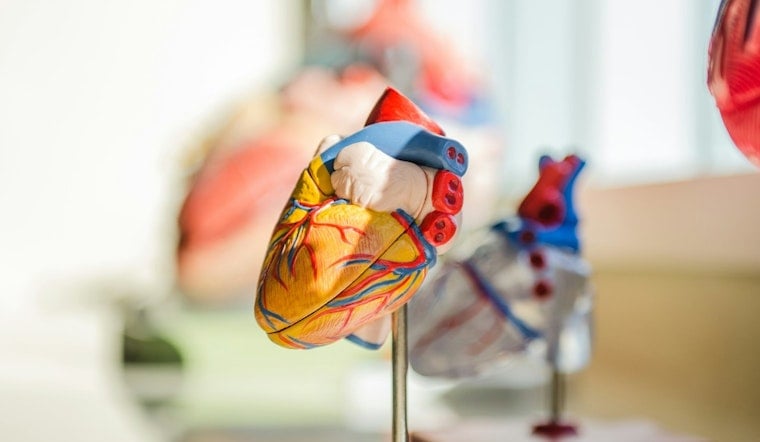
A UCLA-led analysis of cardiac MRIs has turned up an eye-catching connection between the heart and cancer. Subtle structural and functional shifts in the heart, known as cardiac remodeling, were linked with higher risks of breast and colorectal cancers years before patients were diagnosed. The work draws on long-term imaging and health data and raises fresh questions about whether shared biology could sit behind both heart disease and certain cancers. Researchers are careful to stress that the study is observational and does not prove that heart changes cause cancer.
Study and cohort
In a paper published this week in the Journal of the American Heart Association, investigators analyzed baseline cardiac magnetic resonance imaging measurements from more than 6,000 adults and tracked cancer outcomes for roughly 18 years. The imaging and follow up data came from the Multi Ethnic Study of Atherosclerosis, which enrolled adults ages 45 to 84 at six U.S. field centers, according to the National Heart, Lung, and Blood Institute, which describes the cohort and its lengthy follow up.
Key findings
After adjusting for traditional cardiovascular and cancer risk factors, investigators found that higher left ventricular mass index was associated with increased breast cancer risk, while reduced peak left atrial strain, an MRI measure of atrial function, predicted higher colorectal cancer incidence, as reported by UCLA Health. The team identified roughly 790 new cancer cases during follow up and reports that the imaging signals often appeared years before diagnoses. The paper’s author list includes cardiologists and epidemiologists from UCLA along with collaborators at the University of Washington, Johns Hopkins and Kyoto University.
Context and caveats
The new MRI analysis builds on earlier MESA work that linked cardiac biomarkers and coronary artery calcium scores with later cancer, as well as laboratory studies suggesting heart injury can influence tumor biology. A 2025 analysis in JACC: Advances using MESA biomarker data found that higher baseline cardiac biomarkers predicted incident cancers over a similar follow up interval. At the same time, the authors emphasize that the MRI study is observational, so residual confounding, reverse causation or shared risk factors could explain the associations rather than any direct causal link.
What researchers say
“This study suggests that structural and functional changes in the heart may occur alongside, or even before, biological processes linked to cancer development,” lead author Xinjiang Cai said in a UCLA statement. UCLA Health and the paper note that cardiac MRI is not being proposed as a cancer screening test, and that the real value for now is in using these signals to study shared biology and, potentially, refine prevention strategies down the line. Clinicians say replication, mechanistic work and validation in other cohorts are needed before imaging or blood tests could influence screening recommendations.
Takeaway
The authors call for follow up studies to replicate these associations, to test whether blood biomarkers or simpler imaging markers can capture the same signal, and to explore the underlying biological mechanisms. The Journal of the American Heart Association paper includes multiple sensitivity analyses but stops short of making any causal claim. For now, experts underline that the familiar prevention steps quitting smoking, maintaining a healthy weight and managing blood pressure and diabetes remain the strongest defenses against both cardiovascular disease and many cancers.





