

























































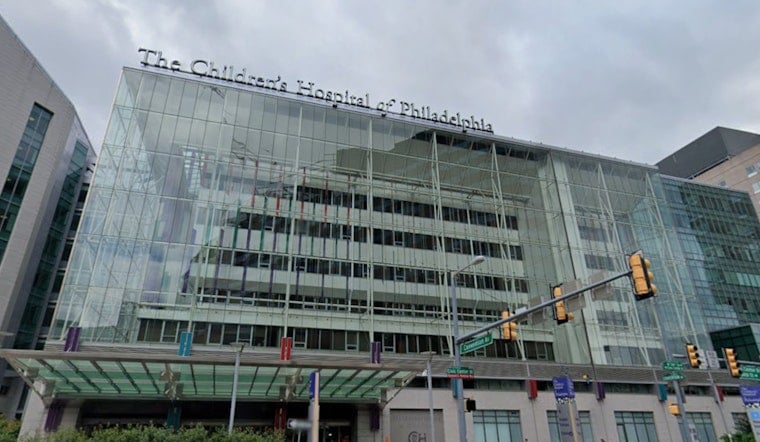
A six-month-old baby from a remote Alaska village has become the youngest patient at Philadelphia's Children's Hospital to receive gene therapy for a rare disease that can strip away movement and speech after an apparently healthy start. Nicholas is now back home and doing well, while his case is highlighting the narrow window in which doctors can prevent metachromatic leukodystrophy from causing irreversible damage.
Nicholas was six months old when he received treatment for metachromatic leukodystrophy, or MLD, making him the youngest MLD patient treated at CHOP, according to CBS Philadelphia. The hospital has since treated seven other children with the disorder, and doctors say Nicholas is developing well after returning to Alaska.
Why Timing Matters For MLD Treatment
MLD is a rare inherited disease in which a faulty ARSA gene allows fatty substances to build up and damage the nervous system. Babies can appear healthy at birth, but the disease can later cause progressive loss of motor and cognitive abilities, according to the FDA.
The treatment Nicholas received is Lenmeldy, a one-time therapy made from a patient's own blood stem cells. Doctors remove the cells, add a working copy of the ARSA gene in a laboratory, use chemotherapy to make room in the bone marrow, and then return the modified cells to the patient; the therapy is intended to work before serious symptoms begin.
Pennsylvania Added MLD To Newborn Screening
That timing is becoming more practical for families in the Philadelphia region. Pennsylvania's Department of Health added MLD to the supplemental conditions mandated for newborn screening and follow-up beginning January 1, 2026, according to a notice in the Pennsylvania Bulletin.
Nationally, the U.S. Department of Health and Human Services added MLD to the Recommended Uniform Screening Panel in December 2025. States still determine how and when to implement screening, creating a patchwork that can affect whether babies are identified early enough to qualify for treatment, according to HHS.
A Long Journey From Alaska To Philadelphia
Nicholas and his parents traveled four planes from their remote Alaska community to Philadelphia for the treatment. The family had already lost an older son to MLD in 2021, and Nicholas' older sister Emily died from the disease while he was undergoing therapy, CBS reported.
Dr. Laura Adang, a CHOP physician, described MLD as a devastating disorder but said early treatment can change a child's future. Nicholas is being monitored as he grows, and CHOP's account says he returned home about two months after treatment and continues to grow and develop without symptoms.
For Philadelphia, the case underscores CHOP's role in delivering highly specialized gene therapies to children from across the country. It also shows why expanded newborn screening matters: for MLD, finding the disease before symptoms appear may be the difference between a child reaching ordinary milestones and losing abilities that once seemed secure.





