

























































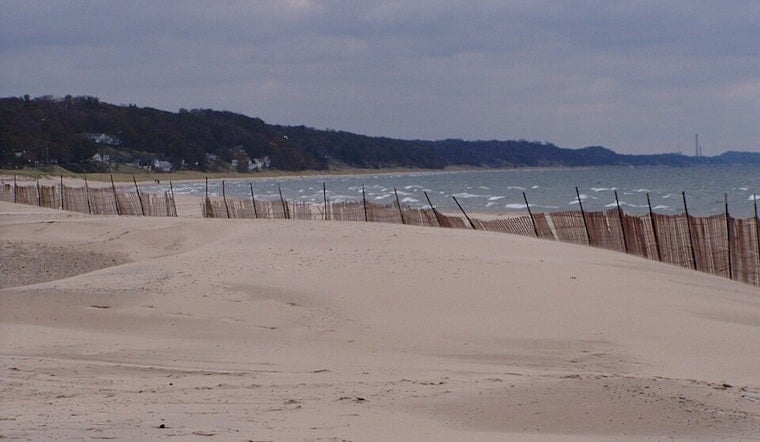
A strange new arm of sand is jutting out from Silver Beach in St. Joseph this week, and it is not there for selfies or sunset strolls. The thumb-shaped peninsula is a federal science project built specifically to disappear. Crews have sculpted it from pumped dredged material, fenced it off, and are now watching how Lake Michigan rearranges the sand.
According to MLive, contractors for the U.S. Army Corps of Engineers began building the feature after Viking Marine Construction removed roughly 83,000 cubic yards of material from St. Joseph Harbor. Officials say the pumped mix is at least 90 percent sand and can include up to about 10 percent finer material that hangs in the water longer. Signs and fencing are up to keep beachgoers out of the work zone.
What Engineers Are Testing
The placement is part of a Corps demonstration run by the Engineer Research and Development Center, which is trying to find better ways to use maintenance-dredged sediment than simply dumping it in confined disposal sites. An ERDC technical report (TR-24-24) stresses that site demonstrations, monitoring and improved modeling are needed to predict sediment transport, stability and turbidity from nearshore placement. The Corps’ Engineering With Nature program offers additional background on why hands-on tests like the one at Silver Beach are being prioritized.
Beach Safety and Timeline
Local officials are warning the public to steer clear. Portions of the new spit may act like quicksand and could trap people or gear, and the cloudy plume from pumping was easy to spot in the water around the operation on Monday. Elizabeth Wilkinson, one of the researchers quoted in coverage, told MLive, “I would not expect it to stay that way for very long,” predicting that the lake may erase the peninsula within about six months. The dredging work itself is expected to continue into early August 2026.
Why the Test Matters
St. Joseph was picked in part because its harbor reliably produces large volumes of sandy material that are suitable for nearshore placement. That makes it a logical proving ground for whether routine maintenance sediment can help nourish nearby beaches and tweak local wave energy. Federal planning documents and ERDC research highlight the need to improve dredged-material management for ports like St. Joseph, which is specifically named in broader discussions of dredged-material planning at the federal level. Background on St. Joseph Harbor planning is available at Congress.gov.
For now, crews and researchers will keep an eye on turbidity, shoreline response and how long the sand finger holds its shape, while the public is urged to obey the fencing and life-safety warnings. Whatever Lake Michigan does to this experimental peninsula, officials say the data will help shape future decisions on where and how the Corps places dredge spoils along Great Lakes shores.




