

























































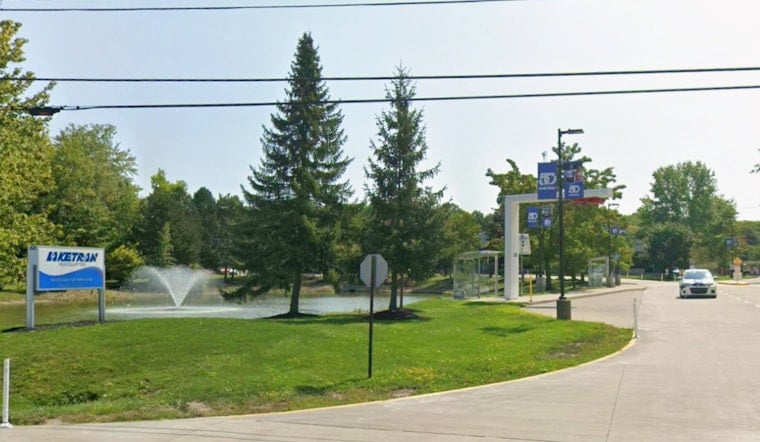
Laketran wants to pull cash payments off its buses, and the price tag behind that decision is turning into the story. The agency told Lake County leaders today that it plans to phase out onboard cash payments over the next 18 to 24 months, arguing that replacing its aging fareboxes would cost too much. Staff estimates new fareboxes would run roughly $25,000 to $28,000 per bus, or about $1.7 million to $2 million across the fleet. Instead, Laketran is steering riders toward contactless payments and its EZfare system, while promising that people who use cash can still buy tickets at vending machines and retail partners.
As reported by Cleveland.com, Laketran CEO Ben Capelle told the board that the fareboxes installed in 2009 now need to be replaced, even though they currently pull in about $200,000 a year in cash fares. According to the outlet, an agency rider survey found roughly 70% of riders could use digital payment, about 47% preferred cash, and around 20% either could not or did not want to use digital methods. County Commissioner Morris Beverage said he understands the financial case but pushed for keeping real cash options on the table, while Commissioner John Plecnik pointed out that more than 17% of riders are still paying in cash.
Agency rationale and next steps
Laketran has been quietly loosening its grip on onboard cash for years. In January, it rolled out EZfare smartcards and ticket vending machines through Laketran to give cash-paying riders another way to buy fares. Last year the agency issued a cash-free and fare-equity study through a Laketran request for proposals to see whether it could realistically run buses without accepting cash onboard.
Staff told the board they favor phasing out onboard cash while keeping existing discounts and transfer privileges intact. The study requires a Title VI-compliant equity analysis, a public engagement roadmap and capital cost estimates, all of which will help determine what the final policy looks like and how fast Laketran can move.
Equity and who could be affected
Not everyone is thrilled about a cashless setup. Advocates and riders worry the change could hit older adults, low-income residents, and people who are unbanked or who do not use smartphones the hardest. The study framework tells consultants to look closely at any disparate impacts, and to propose fixes such as more retail locations where riders can load value, additional vending machines, and targeted outreach before Laketran flips the switch.
Laketran points out that its Dial a Ride service has already been cash-free since 2019, and that vending machines are in place at several transit centers so riders who rely on cash still have options to buy fares off the bus.
What comes next
The board will weigh staff recommendations alongside the fare equity findings and community feedback before taking any final vote. If the plan moves ahead, staff say the rollout would stretch over roughly 18 to 24 months, giving the agency time to add more vending machines and expand outreach so riders are not blindsided by the change.
Riders can expect public hearings, formal comment opportunities and a detailed roadmap before Laketran fully pulls cash from the farebox.
Legal and regulatory note
Eliminating onboard cash would trigger federal Title VI obligations and could draw extra attention from the Federal Transit Administration. The agency’s study requires a Title VI-compliant analysis and a set of alternatives that avoid or reduce disparate impacts. That process will help determine what kinds of mitigations Laketran must adopt and could slow or reshape the timeline if significant equity issues surface.
For now, the cash-free concept is still a proposal, driven by a desire to avoid spending millions on new fareboxes while modernizing how people pay. County officials and rider advocates will have several months to weigh in as Laketran wraps up its study and heads into a full round of public outreach.





