

























































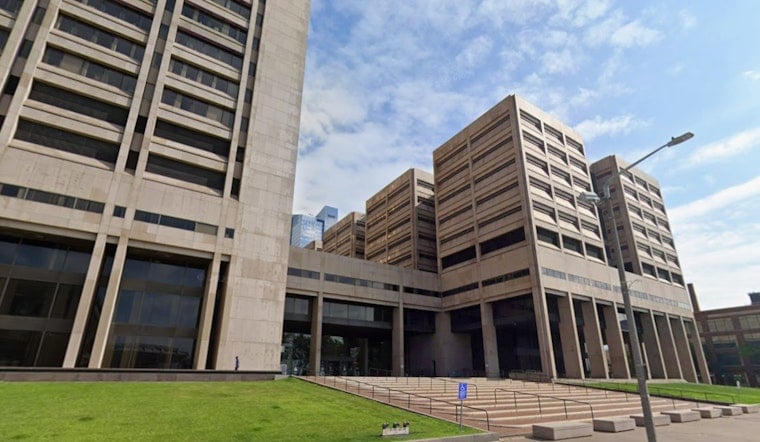
A Cuyahoga County assistant prosecutor is on the other side of the courtroom after pleading guilty on July 2 to failing to stop after an accident and negligent assault. The case stems from a Jan. 15 crash on a ramp to I-90 that police say he left after striking another driver, landing him a three-day jail sentence and 45 days of probation. The incident triggered an internal suspension at the prosecutor’s office and fresh questions about how aggressively public-sector attorneys are held to their own standards.
According to Cleveland.com, prosecutors say 31-year-old Liam Blake reversed his car on the Alger Road ramp to I-90 west, hit another driver twice, then drove off. The accident report indicates no one was hurt. He was charged in June with failing to stop after an accident and negligent assault, pleaded guilty on July 2, and had already served one day in jail following his indictment. Court records show the judge rounded out the sentence with a total of three days in jail and 45 days of probation as part of the plea deal.
What the law says
Ohio law requires drivers involved in a crash to stop and exchange information under R.C. 4549.02. The offense can become a felony if the collision causes serious injury or death. Negligent assault is defined in R.C. 2903.14 and is generally a third-degree misdemeanor when the conduct causes physical harm. Together, those statutes leave judges with wide discretion on jail time, probation and license suspensions, which helps explain why Blake’s punishment mixes a brief stint behind bars with a short period of supervised release.
Office response and next steps
The Cuyahoga County Prosecutor’s Office suspended Blake without pay for about five months, and a spokeswoman confirmed he returned to work on July 13, according to Cleveland.com. Blake’s attorney, Kevin Spellacy, told reporters there are no plans to appeal. Court filings show the judge let Blake serve his remaining two days at a county jail other than the main facility. He is scheduled back in court on Aug. 11 for a probation hearing that will review how he has complied with the plea conditions.
Why the case matters
Prosecutors are supposed to enforce the rules and follow them, too, so any criminal case involving a member of a prosecutor’s office tends to draw more scrutiny than a typical traffic docket. Here, the sentence is light on jail time but heavy on optics, raising ongoing questions about internal discipline, transparency, and whether the office can reassure residents that its own lawyers do not get softer landings. The August probation hearing will be a key moment to see whether the court or the office adds any further requirements or administrative fallout.





