

























































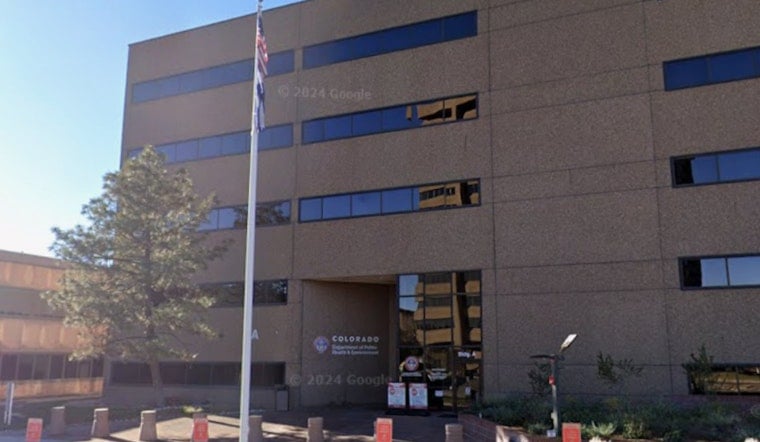
Colorado’s commercial landscapers may soon face a summer equipment quota, with proposed state rules set to steadily squeeze gas-powered mowers, blowers and trimmers out of work across the Denver metro and Northern Front Range. The plan would begin in 2027, reach a 10% gas-equipment cap by 2032 and leave household weekend mowing outside the proposal.
The Air Quality Control Commission is scheduled to consider revisions to Regulation 29 during a November rulemaking hearing, according to the Denver Gazette. If approved, the limits would apply during Colorado’s ozone season, from June 1 through Aug. 31, in the Denver Metro/North Front Range ozone nonattainment area.
The proposal targets commercial equipment with engines of 10 horsepower or less, including string trimmers, hedge trimmers, leaf blowers, edgers, pruners and push or walk-behind lawn mowers. Existing exemptions for emergency response, fire-hazard reduction, public safety and certain forest, grassland or riparian management work would remain, according to the Colorado health department.
The phase-in would allow commercial operators to use gas-powered equipment equal to 90% of their covered inventory in 2027, with that percentage falling over time until only 10% remains in 2032. The rule would also create recordkeeping and annual reporting requirements, with the first reports due March 1, 2028.
Colorado already restricts gas-powered lawn equipment use by government agencies during the summer months. A review by the Colorado state auditor said Regulation 29 took effect in June 2025 and applies statewide to state agencies, while local and federal agencies and their contractors face restrictions inside portions of the Front Range.
The air-quality argument behind the expansion is substantial on paper. State estimates say unregulated gas-powered lawn and garden equipment could produce about 36 tons of volatile organic compounds and 7.5 tons of nitrogen oxides per day in 2026—roughly 11% of ozone-forming emissions in the northern Front Range, according to the state health department.
For landscaping companies, however, switching fleets is more complicated than swapping one mower for another. The state auditor found that commercial operators may need extra batteries, chargers and charging capacity to keep electric equipment running through a full workday, costs that are not necessarily covered by Colorado’s electric-equipment incentives.
How Colorado Landscapers Can Weigh In
The commission’s public-comment session is scheduled for Nov. 18 from 4:30 to 7:30 p.m. and will be held online, while the formal hearing is set for Nov. 19-20 in a hybrid format, the Denver Gazette reports. Requests for party status are due Aug. 6, written comments are due by 3 p.m. Nov. 10, and businesses expecting compliance costs have until Oct. 21 to submit information for the economic-impact analysis.
The commission has not adopted the commercial limits, and the rulemaking would remain a state-only measure rather than becoming part of Colorado’s federal air-quality plan. For now, landscapers can keep their gas equipment—but the proposed schedule gives them a fairly loud reminder to start planning for a quieter fleet.





