

























































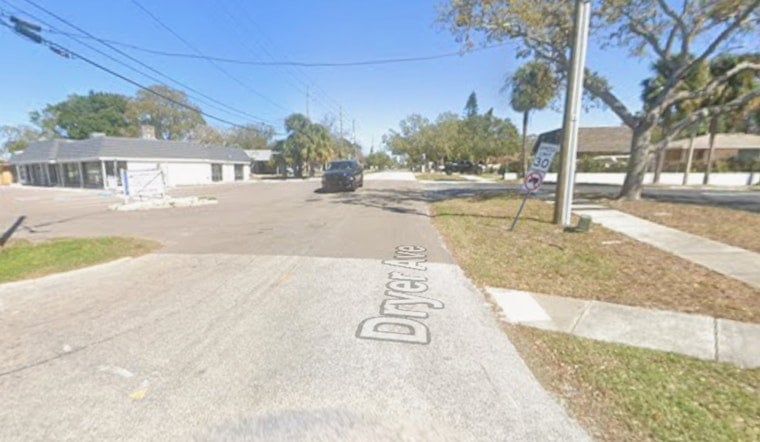
Three children were hurt in a single-vehicle crash in Largo on Sunday evening, and police say the driver now faces DUI and child-neglect charges. Investigators say the car was speeding when it lost control on Dryer Avenue, and the driver plus all three juvenile passengers were taken to the hospital. By Monday, one child had been released while the driver and two others were still hospitalized.
Police Say Speed And Impairment Helped Trigger The Wreck
According to Tampa Bay 28, Largo police identified the driver as 31-year-old Dezmond Sanford and said the crash happened just after 8 p.m. in the 3000 block of Dryer Avenue. Officers said Sanford was heading westbound at a high rate of speed with the three children in the vehicle when he lost control, and they believe impairment was a factor. Police also said Sanford will be taken into custody after he is released from the hospital, and the investigation remains active and ongoing.
What The Charges Mean In Florida
Florida’s child-neglect statute says a single incident or omission can qualify if it creates, or could reasonably create, a serious risk of injury or death to a child, while the state’s DUI law makes causing serious bodily injury a third-degree felony, according to Florida Statutes on child neglect and Florida Statutes on DUI. In practical terms, once investigators connect alleged impairment to injuries in the car, the case can move quickly from a standard crash report into felony territory.
Recent Florida Cases Show A Familiar Pattern
The Largo arrest comes amid a string of Florida cases where children were riding with an allegedly impaired adult. In May, the Hillsborough County Sheriff’s Office said a Wimauma father was arrested after deputies found his 5-year-old in the backseat, and Hoodline recently covered an Apopka arrest where a child ended up helping flag down motorists after a parent allegedly passed out drunk behind the wheel. Together with the Largo crash, those cases show how fast an impaired-driving stop with children in the car can turn into both a criminal case and a child-safety emergency.





