

























































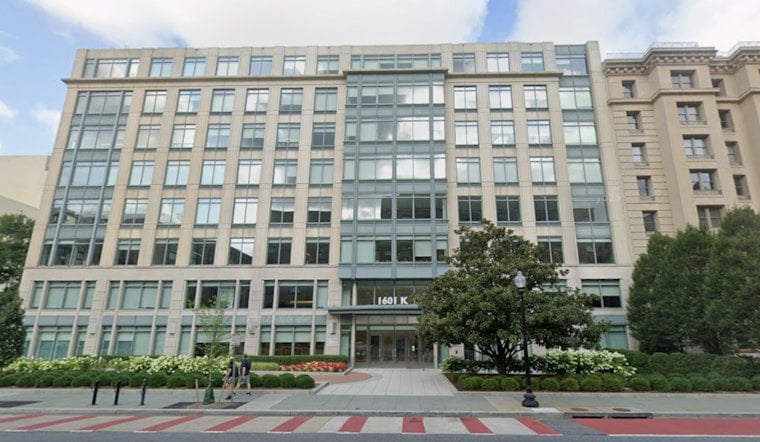
Capitol Meridian Partners has fresh firepower and a clear hometown agenda. The Washington, D.C.-based private equity shop has closed its second fund at $1.9 billion and is aiming squarely at deals where national security, government services and commercial aviation meet.
The firm plans to write equity checks of roughly $50 million to $400 million and expects to deploy the new capital into about 10 platform companies, with additional cash reserved for add-on acquisitions and growth.
As detailed by the Washington Business Journal, Capitol Meridian disclosed the Fund II close on July 20 and signaled a particularly sharp interest in D.C.-area opportunities. The firm is hunting for founder-led platforms that it can scale, along with bolt-on deals, while co-founders Brooke Coburn and Adam Palmer highlight what they see as a rich opportunity around defense-focused services and nearby commercial markets.
Fund structure and backers
In its own announcement, Capitol Meridian said Fund II surpassed its original target and hit a hard cap. More than 60 institutional limited partners committed roughly $1.8 billion, while the firm and its affiliates chipped in about $100 million, according to Capitol Meridian Partners.
The firm added that nearly 90% of investors from its first fund came back for the sequel. Kirkland & Ellis served as fund counsel, and Jefferies worked as global placement agent, roles that underscore the increasingly institutional profile of this defense and government services specialist.
Why D.C. and defense matter
Specialist buyout funds focused on defense and government services have been drawing heightened interest from pensions and other big allocators as geopolitical tensions push defense spending forecasts higher, Fortune has reported.
Capitol Meridian, founded by former Carlyle Group dealmakers Coburn and Palmer, previously closed a first fund of roughly $900 million and has been assembling a portfolio of government contracting and aviation-adjacent businesses that live close to the federal spending spigot.
Locally, that new $1.9 billion vehicle could speed up consolidation across the DMV’s government contractors and systems integrators. The firm is expected to lean on buy and build tactics and its operating partners to scale platform companies, and to tap its national security networks to source D.C.-area targets and roll-up plays, a strategy outlined by Washington Technology.





