

























































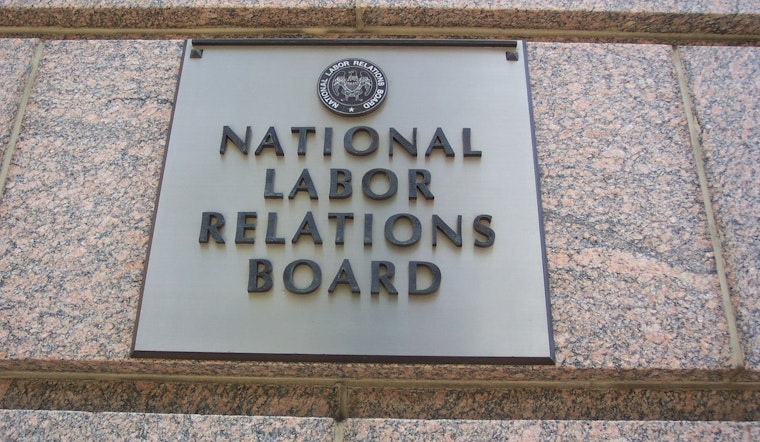
A divided federal appeals panel in Washington, D.C., has dismantled the National Labor Relations Board’s long-standing "successor bar" rule, a key protection that had insulated incumbent unions after corporate ownership changes. In Hospital Menonita de Guayama v. NLRB (No. 22-1163), the court said the Board went too far in limiting workers’ ability to change or reject their bargaining representative after a sale, immediately rattling unions, employers and new owners who rely on predictable rules during mergers and acquisitions.
The ruling
The D.C. Circuit’s 2-1 panel concluded that the successor bar unlawfully interfered with employees’ Section 7 rights and that courts must make their own legal judgments instead of simply deferring to the NLRB’s policy choices, as reported by Reuters. Circuit Judge Neomi Rao wrote the majority opinion, joined by Judge Justin Walker. Judge A. Raymond Randolph dissented. The case grew out of enforcement actions involving a hospital acquisition in Puerto Rico and the Board orders that followed.
What the successor bar did
Under the successor bar, when a new owner voluntarily recognized an existing union, that union was treated as having majority support for a "reasonable period" after the transaction. In its UGL-UNICCO decision, the Board pegged that window at roughly six months to a year. The D.C. Circuit’s earlier opinion and the Board’s own decision history indicate the doctrine stretches back decades and was revived in 2011 to promote stability in post-acquisition bargaining, according to the NLRB. Supporters argued the rule kept fragile negotiations from being derailed by constant representation fights, while critics said it effectively locked in unions and sidelined worker choice for months after a sale.
Why courts are taking a different look
Judges are now far less inclined to defer to agency interpretations after the Supreme Court’s 2024 decision in Loper Bright v. Raimondo, which overruled Chevron deference and told courts to exercise independent judgment on statutory questions, according to the Legal Information Institute’s summary of the ruling. That shift loomed large in the D.C. Circuit’s analysis, which closely examined whether the NLRB’s successor bar could be squared with the text and structure of the National Labor Relations Act.
Industry and union reactions
Lawyers on all sides had been watching the case closely. Attorney Patrick Muldowney represented the hospital, while the NLRB was represented by agency lawyer Heather Beard. The Board declined to comment on the ruling, according to Reuters. Labor-side attorneys warn the opinion could invite a wave of challenges to post-merger recognition and bargaining practices. Some management lawyers, by contrast, say the decision reins in an agency rule they viewed as opaque and unpredictable.
What comes next
The ruling is widely expected to trigger requests for rehearing and could ultimately land before the Supreme Court, given its nationwide impact on labor relations. For now, employers, unions and buyers are dissecting the opinion and recalibrating strategy, weighing whether to contest union status more aggressively, adjust bargaining timelines, or ask the Board for guidance as the issue winds through the courts.





