

























































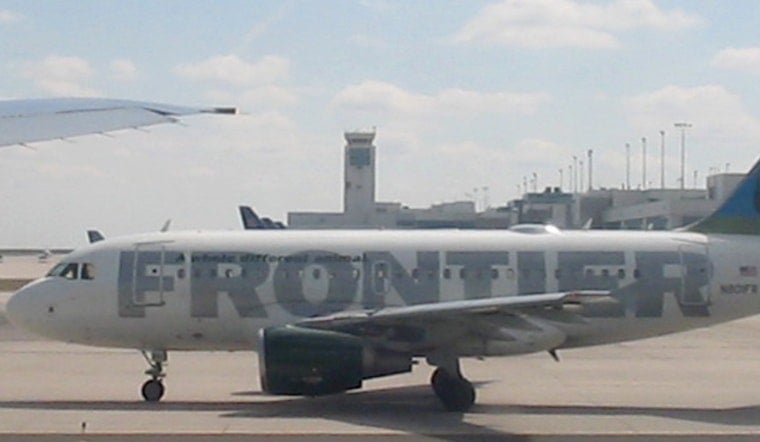
Denver’s hometown airline has reached an oddly Frontier-like milestone: record revenue without yet getting to the finish line on profit. Frontier Airlines reported roughly $1.3 billion in second-quarter revenue, a 38% jump from a year earlier, while its fare revenue per passenger surged 54%.
The results put the Denver-based budget carrier in a stronger commercial position, but they also explain why CEO Jimmy Dempsey is still describing profitability as something ahead rather than something already secured. The Denver Business Journal reported that the quarter marked Frontier’s highest revenue total yet, with fare performance doing much of the heavy lifting.
Record Revenue Comes After A Rough Start
Frontier’s first-quarter results showed how much work remained: the airline posted $992 million in reported operating revenue, or $1.065 billion on an adjusted basis, alongside a $68 million adjusted net loss. Its liquidity stood at $974 million at the end of March, according to Frontier’s first-quarter release.
That makes the second-quarter revenue surge meaningful, even if it does not erase the carrier’s cost pressures. Frontier entered the year expecting elevated fuel prices, aircraft-return charges and a fleet reset to weigh on results while its commercial changes began to show up in ticket sales.
Spirit's Collapse Opened A Door For Frontier
One of the biggest changes in the budget-airline landscape came when Spirit Airlines shut down, leaving customers and routes up for grabs. Frontier quickly moved to capture some of that demand, and the Denver Business Journal reported that Frontier had already seen a surge in bookings from stranded Spirit travelers.
The carrier also launched routes previously served by Spirit, giving Frontier more opportunities to fill seats and raise revenue in markets where its ultra-low-cost model has historically been strongest. That customer shift appears to be one piece of the broader pricing environment helping Frontier collect more per passenger.
Denver Airline Is Still In Turnaround Mode
Dempsey, who became Frontier’s president and CEO in January, has centered the turnaround on rightsizing the fleet, tightening costs, improving operational reliability and building customer loyalty. The airline has returned aircraft early, delayed some future deliveries and worked to slow its expansion pace while trying to make each plane more productive.
Frontier is also betting that a slightly less bare-bones product can bring in more valuable travelers. The company has been rolling out first-class seating, preparing for onboard Wi-Fi and expanding loyalty benefits, according to its investor-relations announcement.
For Denver, where Frontier is headquartered and remains a major presence at Denver International Airport, the earnings report is a sign that the airline’s reset is producing real top-line momentum. The harder test comes next: whether stronger fares, former Spirit customers and a leaner fleet can finally turn the hometown carrier’s impressive revenue climb into consistent profit.





