

























































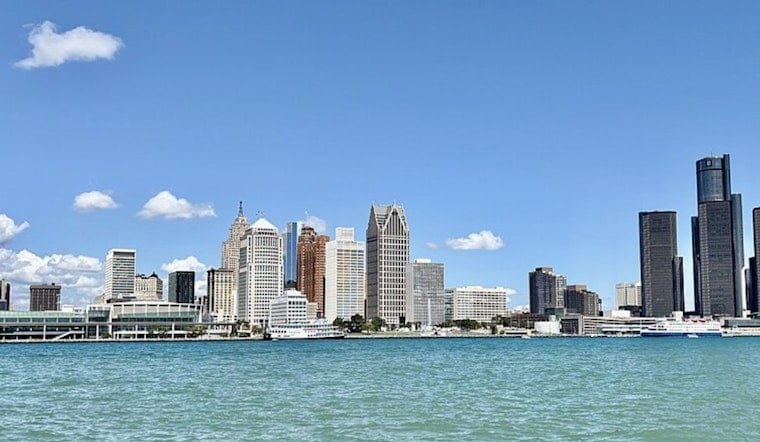
Detroit’s long-discussed riverfront projects just picked up a fresh way to find money without sending taxpayers the bill.
On Monday, Gov. Gretchen Whitmer signed a bill that lets the Detroit/Wayne County Port Authority act as a conduit issuer for pass‑through revenue bonds, giving developers another option to finance redevelopment along the Detroit River. Supporters say the new setup could help stalled projects finally land private financing, while keeping public coffers out of the debt equation.
The signing was part of a package of bipartisan bills. In a press release on Michigan.gov, the governor's office said Senate Bill 52 authorizes the Detroit/Wayne County Port Authority to issue revenue bonds and enter into public‑private financing deals, framing the moves as building on efforts to grow Michigan’s economy.
How the new financing works
Under the law, port authorities can issue conduit or pass‑through revenue bonds and use ancillary financing tools, from letters of credit to interest‑rate swaps, to back eligible waterfront projects, according to the Michigan Legislature's bill analysis. The analysis notes that "related facilities" within five miles of navigable waters can include public infrastructure, freight and light‑manufacturing facilities, commercial and tourism projects, parking and recreational improvements. That is a fairly wide menu for local leaders looking to line the river with more than just ships.
Port Authority reaction
Port Authority Chairman Jonathan C. Kinloch said the new law is designed to speed up redevelopment of vacant industrial land and spark activity along the water. He pointed to potential boosts for manufacturing, shipbuilding, large‑scale entertainment and tourism, with the promise of more jobs across the region.
"This legislation will give the Port Authority an important tool to accelerate the redevelopment of vacant industrial sites on the waterfront," Kinloch said, according to the Michigan Chronicle.
What projects could benefit
The Detroit/Wayne County Port Authority oversees shipping and maritime economic development in Wayne County and on the Detroit River, and it partners with public and private players on waterfront access, redevelopment and maritime infrastructure, according to the Port Authority. That local role puts the agency in the middle of any conversations about waterfront projects that might tap the new conduit financing, from upgraded docks to mixed‑use developments intended to better connect nearby neighborhoods to the river.
Taxpayer protections and limits
Backers of the law have been quick to stress that conduit bonds are paid off by private borrowers, not by the State of Michigan or the Detroit/Wayne County Port Authority itself, according to the Michigan Chronicle. The Senate Fiscal Agency's bill analysis adds that the change "would not have a direct fiscal impact on the State or local units of government," while also noting that ancillary financing facilities could layer on interest and fees to an authority's costs, according to the Michigan Legislature.
What comes next
Developers that want to tap the new conduit authority will still have to negotiate specific deals with the Port Authority and secure board approval, so nothing happens quietly. Residents can watch upcoming public meetings to track which projects step up to the plate.
For the full bill text, see the entry on LegiScan, and for Port Authority meeting notices, visit the Detroit/Wayne County Port Authority.





