

























































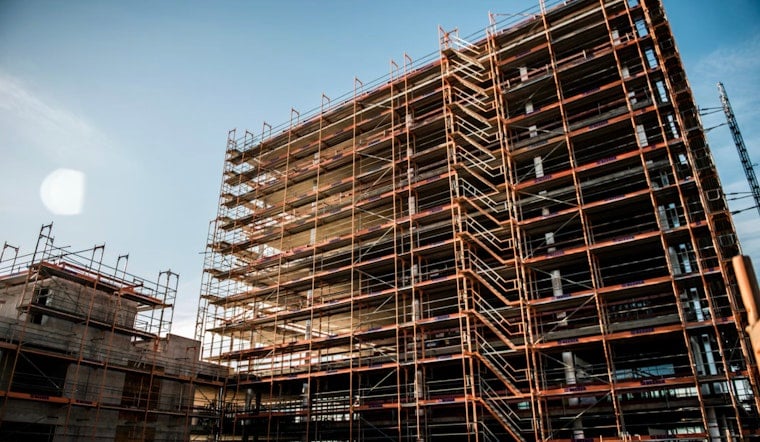
A federal appeals panel has thrown out a racketeering lawsuit that claimed several high-volume New York personal-injury lawyers were conspiring to manufacture construction-site injury cases. The decision wipes away a major legal threat to a corner of the city’s plaintiffs’ bar that has been under steady fire from insurers and reinsurers. Defense lawyers say the ruling vindicates their practices and warn that the broader wave of similar cases could scare attorneys away from representing injured workers.
According to amNewYork, the U.S. Court of Appeals for the Second Circuit rejected the civil RICO conspiracy claim without even reaching the factual dispute over whether attorneys or their so-called “runners” actually recruited workers to stage injuries. The complaint, filed in 2024 by Roosevelt Road Re Ltd. and Tradesman Program Managers, alleged that the supposed scheme drove up settlement values and pushed costs down the insurance chain.
Federal filings show that lower courts had already spent months wrestling with threshold issues, including whether reinsurers can sue under RICO at all and whether the harms they claimed were sufficiently direct. As outlined in Justia, judges in the Eastern District of New York concluded that the plaintiffs’ theory of injury required moving “well beyond the first step” in the causal chain, a gap that proved fatal in earlier dismissals and framed the case on appeal.
One of the lawyers targeted in the suits, Eric Subin, told amNewYork he views the litigation as baseless and designed to chill ordinary personal-injury practice. Subin said he is considering hitting back with his own filings, including possible malicious-prosecution actions and requests for sanctions against the reinsurer plaintiffs and their attorneys.
What the complaint alleged
The underlying complaint painted a sweeping picture of alleged misconduct. It accused a network of law firms, referral agents and medical providers of coaxing or paying mostly non-English-speaking construction workers to stage or exaggerate injuries, guiding them to favored clinics for extra or unnecessary treatment, then filing lawsuits and workers’ compensation claims to squeeze out settlements. According to the plaintiffs, that pattern of referrals, treatment and litigation generated inflated bills and payouts that ultimately landed on insurers and reinsurers. The detailed timeline and cast of characters appear across the filings and orders on the district court docket, as reflected on Justia.
Why the RICO theory failed
Civil RICO cases face a stiff proximate-cause requirement. To recover, a plaintiff has to show that the alleged racketeering was the direct source of a concrete business loss, not just a distant economic aftershock. The Supreme Court’s approach in the Hemi Group line of decisions emphasizes a “direct relation” between the misconduct and the plaintiff’s injury, a standard that judges said the insurers’ pleadings did not meet. Background on that rule appears in SCOTUSblog’s coverage of the Hemi Group opinion.
A wider litigation fight
The Subin matter is only one front in a larger battle. Insurers and reinsurers have launched multiple lawsuits against plaintiff-side law firms and certain medical providers, accusing them of similar referral arrangements and inflated billing schemes. Industry reporting highlights parallel actions, including cases aimed at other New York firms and clinics, and frames the effort as a broader push to use fraud and racketeering statutes to curb settlement costs, according to InsuranceNewsNet.
What’s next
For now, the appeals court’s move means key questions about how far RICO can stretch to cover insurer and reinsurer losses will likely be tested in other cases instead of this one. Judges, insurers and trial lawyers across New York will be watching closely to see how similar complaints fare as the rest of the related docket winds its way through the federal courts.





