

























































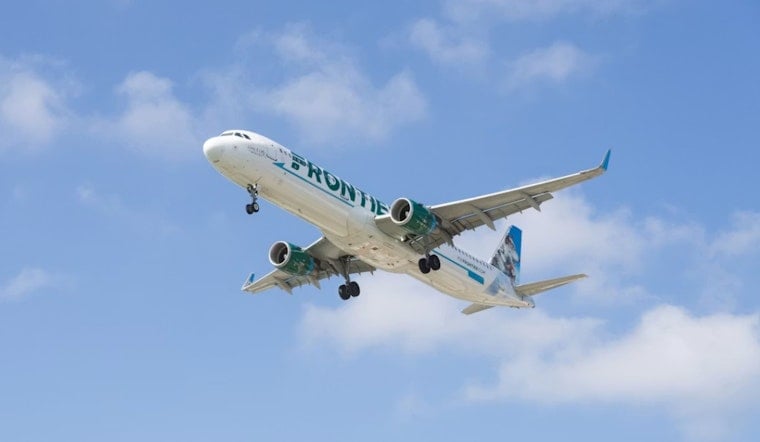
Frontier Airlines is jumping into the in-flight Wi‑Fi fight, announcing Tuesday that it will outfit its fleet with SpaceX’s Starlink and start installations in early 2027. The Denver-based ultra-low-cost carrier says the new, gate-to-gate connectivity will let customers stream, game, and work with far less lag than older satellite systems. It is a visible upgrade for a no-frills airline that has been trying to woo higher-spending travelers.
In a company press release, Frontier said it plans to launch its first Starlink-equipped aircraft in early 2027 and will be the first U.S. ultra-low-cost carrier to offer passenger access through “a system managed directly by Starlink,” according to Frontier Airlines. CEO Jimmy Dempsey called the shift an investment in products “that matter most to our customers,” and the airline said Starlink will also provide gate-to-gate connectivity for pilots, flight attendants, maintenance teams, and ground operations.
What Starlink Actually Brings
Starlink runs on a low Earth orbit satellite network and, according to Starlink, has pushed median peak-hour latency in the United States down to roughly 25.7 milliseconds. That level of lag is low enough to make real-time video and gaming realistically usable in the air, not just email and text. The company says its optical inter-satellite links and global mesh are designed to keep passengers connected over oceans and polar routes, and its aviation materials describe both gate-to-gate coverage and fleet-level support for airlines.
Fleet Plans and the Indigo Push
Frontier said it and its fellow Indigo Partners airlines expect a large-scale Starlink rollout across multiple carriers. Indigo has said the group aims to install Starlink on more than 1,000 aircraft, a target cited in Frontier’s announcement. Local reporting also puts the size of Frontier’s own retrofit at more than 180 aircraft, a project that will reach flights touching the airline’s major hubs, according to the Dallas Morning News.
How the Industry Is Playing It
Starlink is no longer a novelty in airline boardrooms. Major carriers, including American Airlines and United, have already committed hundreds of jets to the system, and analysts say faster in-flight internet can lift customer satisfaction scores. At the same time, some low-cost carriers have openly wondered whether the cost of large retrofits really pays for itself, a debate that the industry is still sorting out while the installs keep piling up.
What Passengers Should Expect
For Frontier customers, the difference on board should be obvious. The airline currently states in its FAQ that it does not offer Wi‑Fi, TV, or movies on most flights, so Starlink is a clear step up from “bring your own entertainment and hope your battery holds.” According to Frontier, the carrier has not yet disclosed pricing or the detailed installation schedule beyond the first aircraft arriving in early 2027, so questions like whether full-on streaming will be free or behind a paywall will be answered as the rollout progresses.
Local Impact at Denver and DFW
The upgrade matters in particular for Denver and Dallas-area travelers because Frontier has been expanding at key hubs. Coverage out of Dallas notes that Frontier has built up a significant presence at DFW, meaning many short-haul routes in and out of North Texas could see faster onboard internet as aircraft get retrofitted. As more carriers bolt low Earth orbit satellite links onto their fleets, faster and more reliable in-flight internet is shaping up to be one of the ways airlines try to stand out on domestic routes.
Bottom line: Frontier’s Starlink play accelerates a broader shift toward low-latency satellite Wi‑Fi across the industry. Installations beginning in early 2027 are set to deliver a markedly different onboard experience for passengers and crew, while the cost of the program, the pace of the retrofit, and any eventual pricing for customers remain the key details to watch.




