

























































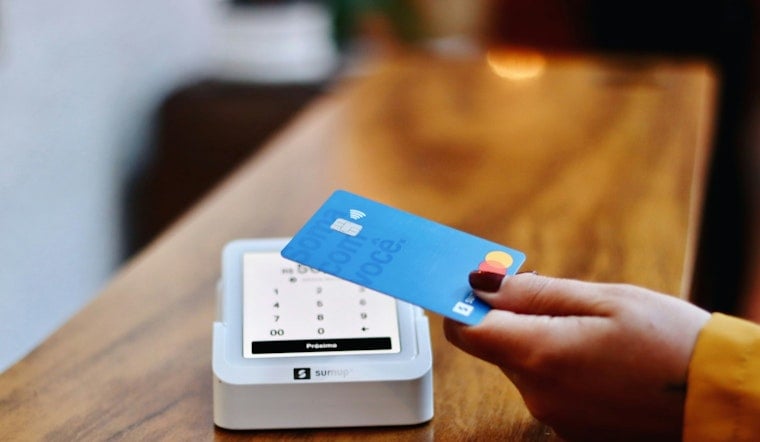
Nearly one in five working-age adults dipped into savings not meant for everyday expenses just to buy groceries in 2025, a stark sign that rising food costs are squeezing household budgets across the country. The fallout is showing up in drained emergency funds and heavier use of credit at the checkout, leaving families with less of a cushion for rent, utilities, and medical bills. For people already living paycheck to paycheck, that trade-off can snowball into more fees and interest.
The numbers come from a July 13 brief based on the December 2025 Well-Being and Basic Needs Survey. According to the Urban Institute, 19.6% of working-age adults reported using savings not intended for daily expenses to pay for groceries. The same brief found that 34.9% charged groceries on a credit card and paid the bill in full, 19.6% paid less than the full balance but made minimum payments, and 8.7% did not always make the minimum payment.
Debt Is Rising At The Checkout
More than a quarter of working-age adults who used credit cards to buy groceries ran into repayment trouble, the analysis shows. Kassandra Martinchek, a co-author of the study, told CBS News, "Families still need to eat," and warned that mounting grocery-related debt "could constrain their ability to meet their basic needs in the future."
Where The Pressure Comes From
The Urban Institute notes grocery costs have climbed roughly 32% over the past five years, steadily eroding the emergency savings many families managed to build up. Government data echo the continued price pressure: the Bureau of Labor Statistics reported the food-at-home index rose 2.7% over the 12 months ending in June 2026, tightening household budgets further. With prices up, tapping credit and long-term savings becomes easier in the moment and much harder to undo later.
Local stations are translating the findings for their viewers. WKRN News 2 summed up the brief on July 15, while national coverage has zeroed in on policy fault lines. CBS News reported that SNAP enrollment fell by nearly five million people from a year earlier as of March, shrinking one of the key safety nets for families staring down bigger food bills.
Economists and advocates say the mix of higher grocery prices, growing use of credit cards and buy now, pay later plans, and the draining of long-term savings is worth close attention because it can spill over into housing stability and health costs. For households already under strain, checking eligibility for nutrition programs such as SNAP and local food-assistance resources can offer short-term breathing room while policymakers and researchers watch to see whether today’s repayment struggles and depleted savings turn into longer-term financial damage.





