

























































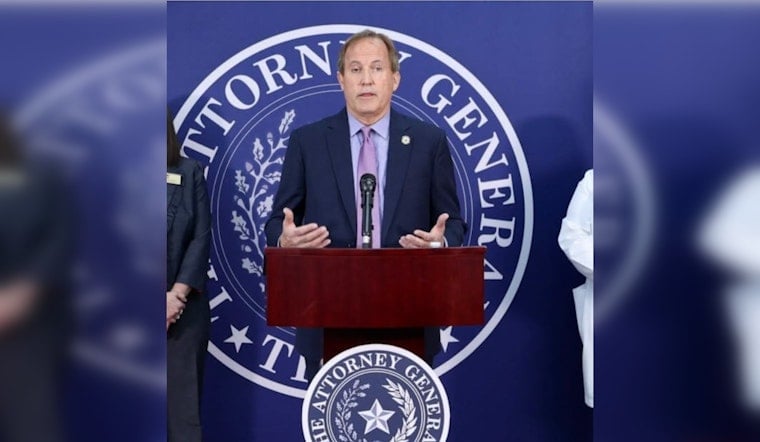
Ken Paxton is trying to make the 2026 Texas Senate race a referendum on the price of nearly everything, from health care and housing to gym memberships and children’s savings accounts. The Republican nominee unveiled an economic plan Friday built around a stack of new federal tax deductions, betting that affordability will do more for him than another round of Washington-versus-Texas rhetoric.
According to The Texas Tribune, Paxton’s rollout includes a digital advertisement he narrated and a promotional tour beginning Saturday. The tour is scheduled to stop in the Dallas-Fort Worth, Houston, McAllen and San Antonio areas as he takes the plan directly to voters in a race against Democratic state Rep. James Talarico.
The proposal would create a $25,000 deduction for individual out-of-pocket medical expenses, including insurance premiums, plus another $25,000 for each dependent. It would also offer a $5,000 deduction for qualifying healthy-lifestyle costs, including gym memberships, nutrition plans, dependent sports activities and GLP-1 weight-loss medications, with the benefits available on top of existing deductions such as the standard deduction, the Tribune reported.
Housing And Family Benefits Anchor The Pitch
Housing is the plan’s biggest attention-grabber. Paxton wants a $50,000 deduction for first-time homebuyers and another $50,000 deduction on down payments for people moving into a new primary residence, a politically tidy answer to a housing crisis that has proved much harder to solve than to campaign about.
The family portion would make the Trump accounts program permanent and double the maximum child tax credit from $2,200 to $4,400 per child. The campaign’s broader issues platform frames Paxton as a champion of tax cuts and says he would carry President Donald Trump’s legislative priorities to the Senate, including an effort to put more money back in taxpayers’ pockets, according to Paxton’s campaign.
Talarico Offers A More Aggressive Tax Contrast
Talarico’s economic pitch starts from a different place: raise more money from billionaires and corporations, then use it to lower costs for working families. His campaign says he would raise the federal minimum wage to $15 an hour, close tax breaks that let large corporations avoid federal income taxes and repeal the Trump administration’s tariffs, according to his labor platform.
On health care, Talarico is proposing a public insurance option that would compete with private plans, along with measures aimed at reducing medical debt and prescription costs, as outlined by his campaign’s health plan. The contrast is fairly blunt: Paxton wants households to keep more of their money through deductions, while Talarico argues the federal government should collect more from the richest Americans and use that revenue to attack prices.
The affordability fight has already been visible on the ground in Texas. Hoodline previously reported on Talarico’s Dallas food-pantry stop, where he made groceries, insurance, housing, childcare and prescriptions the kitchen-table centerpiece of his campaign.
Congress Would Still Have To Approve The Ideas
Paxton’s deductions are campaign proposals, not benefits Texans can claim today. Enacting them would require Congress to pass new tax legislation, potentially through budget reconciliation, a process that gives qualifying spending and revenue bills a fast-track route around the Senate filibuster, according to the Senate Budget Committee.
That makes control of Congress part of the pitch. A Republican Senate majority and unified party control would give Paxton a clearer path to pursue the plan, while a divided Washington would likely force negotiations or leave the deductions stranded as campaign promises.
Cost Of Living Is The Race’s Central Battleground
The timing is no accident. A Fox News poll conducted July 23 through July 27 found that 37% of Texas voters named inflation and high prices as their top Senate-race issue, more than twice the share that named immigration and border security; the survey also showed Talarico leading Paxton 51% to 48%, according to Fox News.
Paxton is betting that voters will respond to a menu of specific write-offs rather than another abstract promise to fix the economy. Talarico is betting they will see the same menu as a tax-code patchwork and prefer a broader attack on corporate power, leaving Texas voters to decide which version of economic relief sounds less like a campaign receipt and more like a way out.



