

























































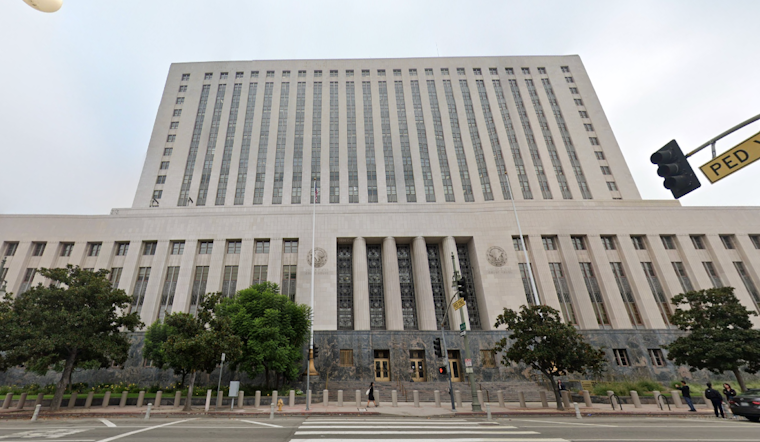
Latino defendants in Los Angeles County are facing bail amounts that tower over those of other groups, according to a new Court Watch LA report that is already stirring up a fight with the local court system.
Volunteers with Court Watch LA say judges in downtown Los Angeles set an average bail of $157,700 for people perceived to be Latino - more than 15 times the average for white defendants and nearly three times the average for Black defendants. The figures come from 140 randomly observed felony and misdemeanor arraignments between January and November 2025. The group argues the numbers point to judges skipping key legal steps like seriously weighing ability to pay, and to a system that is drifting toward wealth-based detention.
La Defensa, the organization that runs Court Watch LA, is calling the results a warning sign that demands full, county-level data, not just volunteer snapshots.
How court watchers gathered the data
The findings are laid out in Court Watch LA's "2025 Year in Review," which analyzed 140 closed criminal cases observed by volunteers between January and November 2025, according to Court Watch LA. Across those cases, the group reports a median bail of $50,000. Observers say judges explicitly discussed ability to pay in only about a quarter of hearings, and that 76.9% of defendants could not afford the bail that was imposed.
The report argues those patterns held even when charges were similar across cases. It urges Los Angeles County to conduct regular racial-equity audits, upgrade data collection, and shine more light on when and where steep bail amounts are effectively operating as detention orders.
Courts push back
The Los Angeles County Superior Court is not buying the volunteers' conclusions. The court says judges are "following the law on bail requirements" and questions the way the report interprets what observers saw in court, according to spokesperson Rob Oftring, as reported by LAist.
Oftring wrote that "many of the report's findings... do not appear to account for charge severity or criminal history." Court leaders also stress that 140 hearings are only a tiny slice of what happens in the system, pointing to roughly 272,000 criminal cases during the same period. The court says it is already working on data projects aimed at better, more systematic scrutiny of its practices.
La Defensa counters that it has repeatedly asked the Superior Court for broader, de-identified records that would allow a full-scale analysis of bail outcomes across judges and courthouses. The group says those records have not been turned over, according to LAist.
What the law requires
California's highest court has made clear that judges are supposed to look at more than just the charge sheet when they set bail. Under the framework laid out in the case In re Humphrey, judges must consider a defendant's ability to pay and use the least restrictive conditions necessary before turning to money bail, according to California Courts.
The legal standard is also clear on another point: courts are not allowed to set bail at levels that function as a backdoor detention order simply because someone is poor. Legal experts say that if the patterns flagged by Court Watch LA show up in larger datasets, that would suggest many arraignment courtrooms are not living up to those Humphrey requirements.
Why the numbers matter
Advocates have long warned that what happens in the first few days after an arrest can shape the entire outcome of a criminal case. Research spanning decades links even brief pretrial jail stays to a higher chance of conviction, job loss and housing instability, according to the Vera Institute of Justice.
Vera's evidence brief pulls together studies that find worse legal and life outcomes for people who are detained while their cases move through the system. That is why cash bail has become a central battleground for reformers. Court Watch LA is pushing for eliminating money bail in many cases, expanding diversion, and running regular audits that can flag where wealth-based detention is creeping into the status quo.
What's next
La Defensa says its volunteers will keep showing up in arraignment court to watch how judges handle bail, while continuing to press the Superior Court for the de-identified records needed to test whether the same racial and financial disparities appear across the entire county.
The Superior Court says its internal data projects will move forward. Advocates and some judges argue that truly independent reviews of bail decisions by race, charge and individual judge would be a logical next step if Los Angeles is serious about following the law on pretrial release.
For now, the takeaway from the Court Watch LA snapshots is blunt: in many Los Angeles courtrooms, a person's odds of going home before trial still seem to depend heavily on how much money they have.





