

























































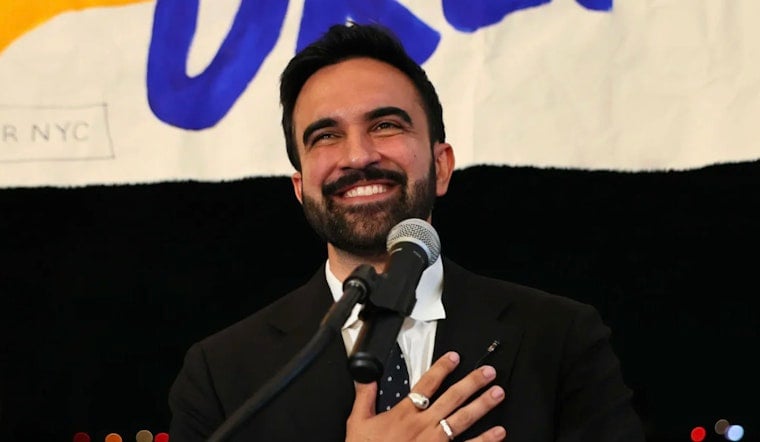
New York City’s job engine is running hotter than the skeptics expected. Since Zohran Mamdani locked up the Democratic mayoral nomination last summer, roughly 50,000 net new positions have appeared across the five boroughs. Hospitals, professional services firms and finance shops have all been hiring, giving City Hall a handy headline for its early economic pitch. Economists and fiscal watchdogs, however, warn that the shiny top-line number masks uneven growth and stubborn affordability problems for a lot of New Yorkers.
As reported by Crain's New York Business, the city has added about 50,000 jobs in the period since Mamdani’s late June 2025 primary victory, a milestone flagged in local coverage at the time. The figure has quickly become a favorite talking point for the mayor’s allies, who pitch it as proof that New York’s labor market is still a magnet despite political tension and noisy debates over policy.
Where the gains came from
State labor data show most of the hiring over the past year clustered in private education and health services, professional and business services, and financial activities. The New York State Department of Labor reports that private sector employment rose by roughly 53,400 year over year to June 2026, with the biggest jumps in education and health and in professional services. That mix of white coat and white collar jobs helps explain why overall employment looks solid even as other corners of the economy lag.
Deals, groundbreakings and downtown momentum
Big-ticket projects have added fuel to the upbeat narrative. American Express formally broke ground on a new global headquarters at 2 World Trade Center on July 9, and both company and city statements linked the tower to thousands of construction and long-term jobs. American Express press materials estimate more than 3,200 direct and indirect construction-related positions and a multibillion-dollar economic boost, and Mayor Mamdani called the move “an investment in thousands of good jobs,” per a release on BusinessWire. Developers and labor leaders cast the ceremony as fresh proof that Lower Manhattan can still lure heavyweight employers.
Why the numbers don't tell the whole story
Behind the victory lap, budget analysts are sounding more cautious. The City Comptroller’s review finds that private sector employment excluding healthcare grew only modestly between April 2025 and April 2026, and warns that recent gains are concentrated in a narrow band of industries rather than broad-based hiring. At the same time, local reporting has documented public pushback from some corporate leaders on the mayor’s rhetoric and proposed taxes, prompting behind-the-scenes outreach from City Hall to keep investment talks from going sideways. The result is a running political tug of war, with robust headline job figures and warnings about investor flight both pressed into service by competing camps.
Bottom line
For now, the roughly 50,000-job figure gives Mayor Mamdani cover and a clean metric to spotlight as he rolls out workforce programs and permitting reforms. City Hall is leaning on efforts such as the Summer Youth Employment Program as part of a broader argument that raw job counts are not enough without training and access. Whether this apparent surge holds up will depend on hiring spreading beyond health care and office work, how policy choices land with businesses, and whether the city can steady its affordability crunch and labor force dynamics.





