

























































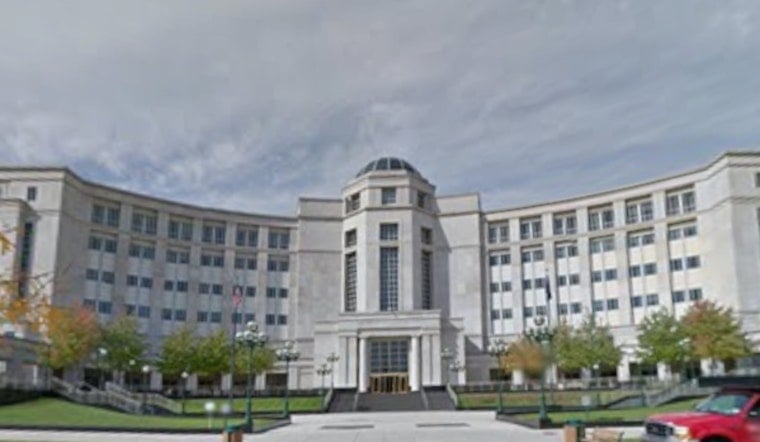
The Michigan Supreme Court has pulled back on a favorite police interrogation tactic, ruling that Detroit detectives crossed a constitutional line when they muddied the waters around a suspect’s right to an attorney. In People v. Fenderson, the justices ordered that statements collected after the confusion be tossed and sent the case back to Wayne County, finding that officers created uncertainty about whether a lawyer was actually available during a videotaped interview and hinted that getting one depended on the suspect’s ability to pay.
What the court found
In an opinion issued last Tuesday, the court said officers’ comments could “reasonably be understood as suggesting that the defendant’s right to have an attorney present during questioning was dependent on his ability to retain counsel through his own funds,” and that the later waiver and questioning did not satisfy Edwards v. Arizona, as outlined by the Michigan Supreme Court. The justices reversed the Court of Appeals and remanded the case to the Wayne Circuit Court for further proceedings.
How the interrogation unfolded
According to the court record and reporting, Daren D. Fenderson, who was bound over on first-degree premeditated murder, felony-firearm, and escape charges, was interrogated on video by Detroit police the day after his arrest. Michigan Advance reports that officers left Fenderson handcuffed while they tried to locate counsel, then came back and, in audio the court later called difficult to decipher, told him either “You don’t got one” or “You don’t get one.” They then said an attorney was not available and noted that Fenderson had no money to hire one.
Legal implications
The court stressed that once a suspect asks for a lawyer, police have a simple choice: provide counsel or stop questioning, rather than play into confusion about how court-appointed attorneys are obtained. Under Edwards, anything a suspect says after invoking that right is admissible only if counsel is actually made available or the suspect clearly restarts the conversation. The justices concluded that Fenderson’s puzzled follow-up, “So what’s going on?”, did not count as an affirmative reinitiation of discussion.
As the Michigan Supreme Court explained in its opinion, officers in this case engaged in the functional equivalent of interrogation and undercut the Miranda warnings they had already given, which means the contested statements must be suppressed. The decision instructs courts and law enforcement across Michigan to handle post-invocation confusion with particular care.
Reaction and next steps
The ACLU of Michigan praised the ruling, with deputy legal director Phil Mayor saying it guards against false confessions and police abuses and sends a clear message that officers cannot rely on trickery to separate suspects from their right to counsel, according to an ACLU of Michigan press release. The 6–1 decision, with Justice Brian K. Zahra dissenting, now puts the ball back in the Wayne Circuit Court’s hands to sort out evidentiary issues and the next steps in the criminal case.
What this could mean for interrogations
Legal analysts say the ruling tightens Miranda protections in Michigan by warning officers away from any suggestion that having a lawyer present depends on the size of a suspect’s bank account, and it could spur more suppression hearings in other cases that used similar tactics. Coverage and commentary also note that courts will be watching more closely for moments when officers’ explanations of procedure cross the line into the functional equivalent of questioning, a development that may influence how some departments train their detectives. Law&Crime and other outlets have already marked the decision as one defense attorneys are likely to lean on in future Miranda battles.





