

























































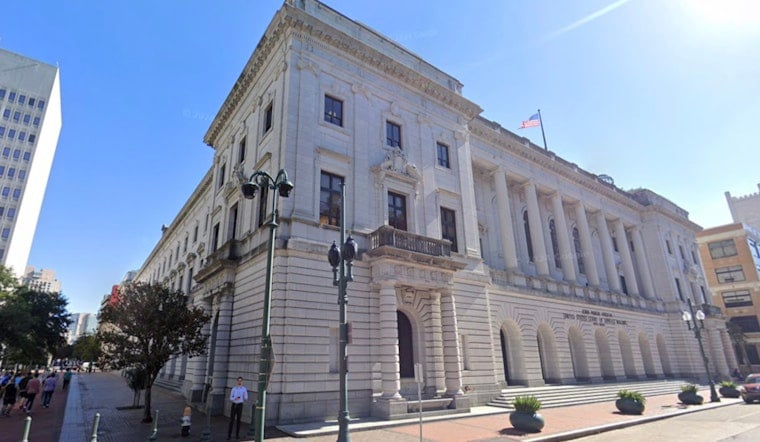
The U.S. Court of Appeals for the Fifth Circuit has turned a routine gun case into a potential constitutional brawl, voting on Monday to rehear United States v. Squire en banc and wiping out a June 2 panel opinion that had upheld Curtis Squire’s conviction under 18 U.S.C. § 922(g)(1). The move landed just days after Justice Clarence Thomas urged lower courts to take a harder look at the reach of that federal gun ban statute, and it drew an unusually sharp warning from a dissenting judge about what might come next.
Fifth Circuit Orders En Banc Rehearing
In a short per curiam order, the court announced that a majority of active, non-disqualified judges had voted to rehear the appeal en banc and that the June 2 panel opinion is vacated. The clerk was directed to set a new briefing schedule and pick an oral argument date for the full court, according to Justia.
What The June 2 Panel Held
The now-vacated June 2 decision came from a three-judge panel in New Orleans, which rejected Squire’s as-applied Second Amendment challenge. The panel concluded that historical practice supports disarming certain felons, including those convicted of drug trafficking offenses. The opinion recounted that Squire pleaded guilty, admitted that the firearm and ammunition had traveled in interstate commerce, and received a 52-month prison sentence followed by three years of supervised release. Those details appear in the Fifth Circuit’s June 2 opinion, as reflected in the Fifth Circuit.
How Hemani Shifted The Conversation
Three weeks before that panel ruling, the Supreme Court decided United States v. Hemani, and Justice Clarence Thomas used a separate concurrence to throw fresh fuel on long-running fights over Congress’s Commerce Clause power. He urged lower courts to revisit whether § 922(g) can properly rest on that power at all. Thomas warned that treating a gun’s prior interstate travel as a permanent hook for federal regulation risks turning the Commerce Clause into a kind of general federal police power. His comments are outlined in the Hemani materials from the Supreme Court.
Judge Higginson's Warning
Circuit Judge Stephen Higginson was not on board with the Fifth Circuit’s new direction. He dissented from the order to rehear the case en banc, arguing that the petition tries to transform a narrow as-applied Second Amendment dispute into a broad Commerce Clause attack with "untold consequences" for federal law. Higginson questioned whether a ruling against § 922(g) might endanger other federal statutes that also lean on the commerce power, and he openly wondered whether an inferior court should be the one making such sweeping calls. His language appears in the court’s July 20 order, as reported by Justia.
Why Advocates And Scholars Are Watching
If the full Fifth Circuit were to conclude that § 922(g) cannot be justified under the Commerce Clause, the result could sharply narrow the federal government’s reach over simple possession cases and create a serious split with other circuits. That kind of conflict would almost guarantee a return trip to the Supreme Court. Commentators and legal observers are already highlighting the stakes and predicting that the case is likely to attract amicus briefs and heightened government interest if the en banc court fully engages the Commerce Clause issue. For early reaction and perspective, see coverage at USA Carry.
What Comes Next
The en banc court has called for supplemental briefing and will set an oral argument date in the coming months. Once the full court weighs in, many legal watchers expect the case to head toward a likely Supreme Court showdown. Observers say the appeal is shaping up as a major test of the limits of Congress’s commerce power and could influence the future contours of federal firearm statutes. For additional analysis, see commentary at Above the Law.





