

























































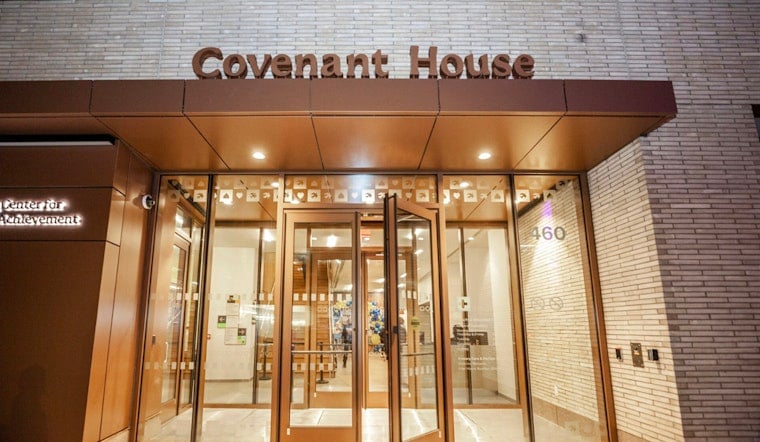
Covenant House New York, the city’s largest nonprofit serving homeless youth, is now under a federal microscope, facing findings and a court order that say it resisted its workers’ union and dragged out negotiations. Federal labor rulings and a judge’s injunction conclude the organization stalled bargaining and took steps that could chill union activity. Current and former staff warn the standoff, along with a yearslong legal fight, is already straining services for vulnerable young people who rely on the agency.
Court and labor rulings
Employees at Covenant House voted to unionize in 2022, and an NLRB administrative law judge later found the nonprofit failed to bargain in good faith, cancelled negotiating sessions and threatened staff, according to the ALJ decision in case JD‑81‑25. The judge recommended remedies that include a court‑ordered bargaining schedule and monthly progress reports to the NLRB regional director. The decision describes repeated bargaining cancellations starting in early 2024 and disputes over whether certain job titles belong in the certified unit.
Court ordered emergency bargaining
On Sept. 5, 2025, a federal judge granted a Section 10(j) injunction requiring Covenant House to stop threatening employees and to meet with the union on a regular schedule, according to court filings published on Justia. The order, entered in the Southern District of New York, requires Covenant House to bargain at least twice each month for four hours unless the parties agree otherwise, furnish requested bargaining information, and post and distribute the court’s notice to staff. Those emergency measures will stay in place while the underlying unfair labor practice case moves forward, and the opinion details the terms of the injunction.
Staff say services are suffering
Testimony in the ALJ record describes workers who were fired or pushed out after taking part in union activity and recounts bargaining sessions cancelled at the last minute, which employees say has hollowed out teams at Covenant House facilities in Manhattan and the Bronx. The judge found those actions amounted to dilatory tactics and recommended orders meant to restore meaningful bargaining. Employees and former staff told investigators they worry that losing trusted adults disrupts relationships that matter to young people in the program, and the written decision lays out those accounts along with a detailed timeline of events recorded in the case file.
Covenant House responds and the public dollar question
Covenant House has defended its conduct, saying it is “committed to bargaining in good faith” while arguing that some staff separations involved time theft and that certain titles should be excluded from the unit, the organization told reporters. City Council members have raised concerns about the termination of bargaining‑committee members, and critics have questioned the use of organizational resources to fight the dispute. Local reporting shows Covenant House’s legal fees rose from roughly $66,000 in 2022 to about $422,000 in 2024 and that the nonprofit receives about $22 million in government grants, figures that have drawn scrutiny, as reported by Gothamist.
What’s next
The ALJ decision and the federal injunction are not the final word. The matter is still under review by the full NLRB and in the courts, so a definitive outcome could be months away. The union says it will keep pushing for a prompt first contract and has praised the NLRB and court interventions, with 1199SEIU calling the filings an important step. Given Covenant House’s role as a taxpayer‑funded provider, labor observers and lawmakers say the case will be closely watched for what it signals about how nonprofits handle organizing while providing public services, and records from the NLRB list the judge’s recommendation as pending before the Board.




