

























































A Queens man described in federal filings as an "avid Chinese chicken food enthusiast" has hit a string of neighborhood restaurants with Americans with Disabilities Act lawsuits, often seeking cash settlements and accessibility fixes. The complaints, focused on Astoria and Long Island City eateries, have already led to quiet deals and court-ordered upgrades. Small restaurant owners say demand letters and rapid-fire settlement offers have left them scrambling to pay lawyers or cover retrofit work, in a pattern that tracks more than a decade of ADA litigation in New York’s federal courts.
Court records go back years
Federal court dockets show the plaintiff has been filing similar cases since at least 2011. In one early matter, a 2013 order required a restaurant to remove architectural barriers and install ramps, handrails and ADA signage. That order, along with other filings in the case, is part of the public record and is archived in federal court documents at govinfo. Judges have at times signed off on settlements or given businesses extra time to complete accessibility work rather than pushing cases to a full trial.
What the filings show
Recent federal filings lay out a steady drumbeat of lawsuits aimed at local eateries. The New York Post reports that the plaintiff has filed roughly 36 federal cases, many of them targeting restaurants in Astoria and Long Island City. One example cited in the court record is the Shalto v. Astoria Provisions case, which ended after the parties told the court they had reached a settlement, an outcome reflected in an order available on CaseMine.
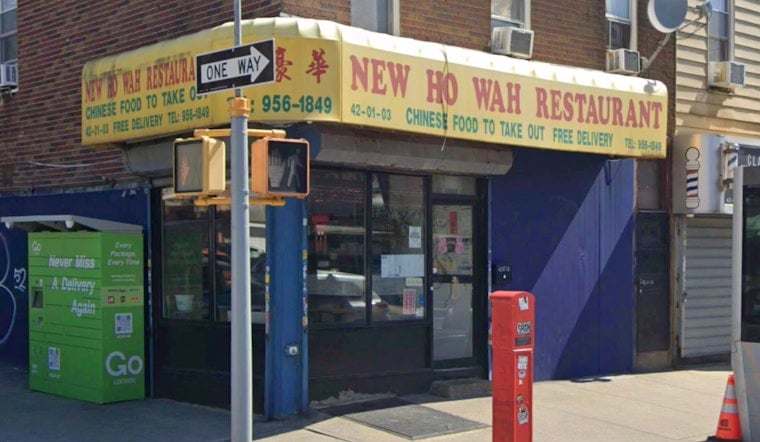
An Eastern District of New York new-filings list this week includes fresh complaints naming New Ho Wah Chinese Take Out among the defendants, according to the court’s civil docket. Those entries also appear in the Eastern District listings on PACERMonitor.
Restaurants push back
Several owners told reporters they were blindsided when demand letters arrived and said the mix of legal bills and construction estimates can be brutal for small, independent spots operating on thin margins. A 2025 Yahoo reprint of a New York Post story detailed a similar pattern involving a different serial plaintiff who filed more than 100 suits across the city, drawing sharp criticism from restaurateurs. Some business owners in those cases said they settled primarily to avoid mounting attorney fees, while others opted to fight the allegations in court.
Legal context
Under Title III of the Americans with Disabilities Act, private plaintiffs can sue to force businesses to remove architectural barriers, seek injunctive relief and, in some circumstances, recover attorney’s fees or statutory damages. Courts typically weigh whether the plaintiff has standing and whether the alleged barrier creates a real, ongoing injury.
Rulings in earlier Shalto litigation show how outcomes can vary. In some instances judges have ordered physical remediation and limited damages, while in others they have narrowed claims or denied relief altogether. One early federal order detailing required fixes, along with the 2013 order and related filings, remains available in the public docket at govinfo.
What to watch
Expect a mix of quick settlements and drawn-out fights as restaurant owners decide whether to renovate, litigate or simply pay to resolve the claims. Plaintiffs can walk away with court-ordered fixes or payouts, but many cases end in settlements that leave little public guidance for other businesses facing similar suits. Hoodline will be keeping tabs on Eastern District dockets and on how local proprietors respond, to see whether this latest wave of filings results in real-world accessibility upgrades or becomes a broader legal test case for Queens and beyond.





