

























































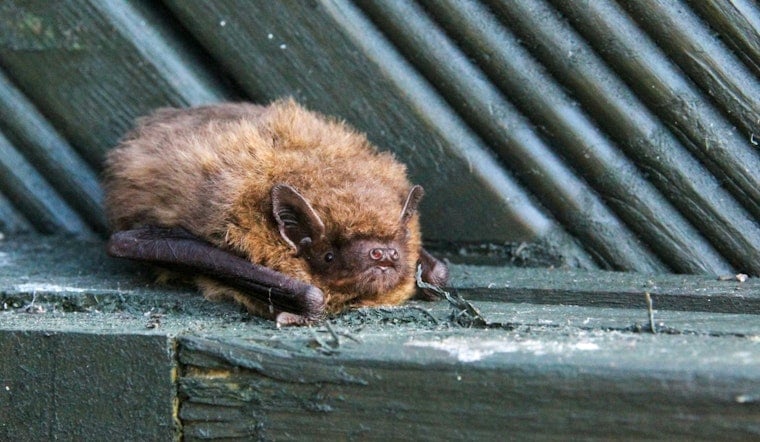
A rabid bat found on a University District sidewalk near the University of Washington has public-health officials racing to track down anyone who might have touched it. The animal turned up on University Way Northeast between Northeast 41st and 42nd streets, and teams are now trying to identify any people or pets that had contact with it. Because rabies is often deadly once symptoms start, officials are urging students and neighbors to take the warning seriously. As of Friday, authorities said no one is known to have been exposed.
How and when the bat was identified
According to KIRO 7, Public Health - Seattle & King County reported that the bat was found on July 15. Samples were sent to the Washington State Public Health Laboratory, which returned a positive rabies result on July 17. After the test came back, department staff began interviewing people who may have been in the area and could have been exposed. KIRO 7 noted that its coverage is based on the agency's news release and statements from public-health officials.
What health officials are advising
Public Health - Seattle & King County advises that anyone who finds a bat inside a home or sees one acting oddly should avoid touching it and instead contact animal control or the health department for instructions. The agency is also telling pet owners to call their veterinarian right away if there is any chance a pet had contact with the bat. Officials note that bats that might have exposed people or animals can be submitted for free rabies testing. Keeping pets current on rabies vaccinations remains the best protection, according to Public Health - Seattle & King County.
Why speed matters
"Rabies is treatable if caught before symptoms appear, so identifying anyone who has had contact with the bat as soon as possible is important," Public Health's Jocelyn Mullins said in a statement cited by KIRO 7. That warning lines up with federal guidance: the Centers for Disease Control and Prevention states that rabies is almost always fatal once clinical symptoms begin, but prompt post-exposure prophylaxis can stop the disease from developing. Officials say potential exposure can include obvious bites or scratches and also situations where a bat is found in a room with a sleeping person who may not realize they were bitten.
Regional context: 'bat season' and recent cases
The discovery near the UW campus is not happening in isolation. Snohomish County confirmed a rabid bat in late May, a case that resulted in three people receiving post-exposure treatment, according to county health notices. Local health departments caution that warmer months bring more bat activity and raise the chances of accidental encounters as people open windows and young bats start to disperse. The Washington State Department of Health notes that bats are the only known natural reservoir for rabies in Washington and that although only a small share of wild bats carry the virus, any possible exposure should be evaluated quickly.
What to do if you find a bat or think you were exposed
If you find a bat in your home or suspect any kind of contact, officials say not to pick it up with bare hands. Wash any bite or scratch right away, then contact your health care provider and Public Health - Seattle & King County at 206-296-4774 for an exposure assessment. Pet owners should reach out to their veterinarian about testing and post-exposure steps and are urged not to release a bat that might need to be tested for rabies. The University of Washington Environmental Health & Safety office also provides campus-specific information on bats and rabies for students and staff, including how to safely capture a bat for testing and how to report sightings.
For up-to-date information about rabies testing and post-exposure treatment, residents can review guidance from the Washington State Department of Health and the Centers for Disease Control and Prevention.





