

























































Pacific Legal Foundation has hauled the state of California into federal court this month, arguing that rules meant to stop landlords from rejecting Section 8 voucher holders instead pressure private owners to accept recurring government inspections without warrants. The suit was filed on behalf of a Sacramento landlord who says the inspection terms in federal housing contracts strip property owners of their Fourth Amendment protections.
Case filed in federal court
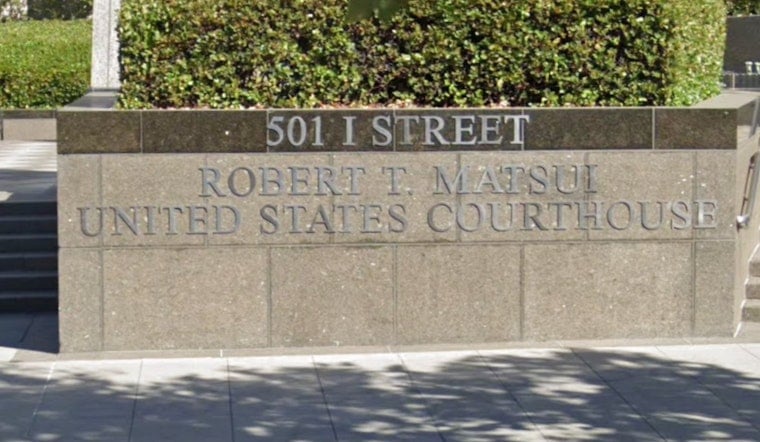
The complaint, filed July 17 in U.S. District Court for the Eastern District of California, lists Tower Bridge Property Management and manager Thomas Manning as plaintiffs and names Kevin Kish, director of the California Civil Rights Department, as the sole defendant. According to the Pacific Legal Foundation, the suit seeks declaratory and injunctive relief under 42 U.S.C. § 1983 and attacks California’s source-of-income rules as they apply to Housing Assistance Payments, or HAP, contracts.
The filing, first reported by the Sacramento Business Journal, sets up a clash between California’s civil rights enforcement regime and landlords who say they never signed up for what they describe as open-door access for housing officials and federal auditors.
What the complaint alleges
PLF’s complaint argues that California Government Code §12955 and related regulations prohibit landlords from refusing to rent to otherwise qualified applicants who intend to use Section 8 vouchers, which the suit characterizes as leaving owners with no lawful way to avoid approving a voucher tenancy. In other words, once a voucher holder applies and qualifies, the landlord says the state has effectively taken “no” off the table.
The filing quotes HAP contract language that requires the public housing agency, the U.S. Department of Housing and Urban Development, and the Comptroller General to have “full and free access” to the assisted unit along with the owner’s accounts and electronic records. PLF describes those provisions as exposing owners to “recurring, warrantless, and suspicionless” inspections and record reviews.
The suit asks the court to block enforcement of those HAP-related obligations and to declare that California’s source-of-income rules are invalid to the extent they force owners to surrender Fourth Amendment protections as the price of complying with state fair housing law.
How Section 8 inspections work
Under federal law, HAP contracts and HUD regulations require local housing authorities to inspect units before voucher assistance begins and then periodically to confirm they meet Housing Quality Standards. The HAP form itself, along with an owner’s responsibilities, is set by HUD and used nationwide.
Federal regulations also give HUD and the Comptroller General broad access to the public housing agency’s records that are created or maintained in the course of running the voucher program. For the federal framework, see 24 CFR Part 982 on eCFR.
Legal context and precedent
The complaint frames the dispute as a federal constitutional fight. By making voucher acceptance effectively mandatory, the plaintiffs argue, California law forces landlords to choose between their Fourth Amendment rights and compliance with state housing rules.
That theory already has some wind at its back from the other coast. In New York, the Appellate Division in People of the State v. Commons West (Justia) struck down a similar source-of-income statute on Fourth Amendment grounds, concluding that the law “forced landlords to consent to governmental searches.” Both sides in the California case are likely to lean hard on that ruling as the new challenge moves forward.
Why it matters in California
California’s Fair Employment and Housing Act bars discrimination based on “source of income,” a category that includes housing vouchers. In recent years, the state’s civil rights agency has used that authority to push for compliance and negotiate settlements with landlords accused of turning away voucher holders.
The protection is codified at Government Code §12955 (California Legislative Information), and the California Civil Rights Department issues guidance and handles enforcement actions related to source-of-income protections, including Section 8 vouchers.
What’s next
The case is now pending in federal court, where the state will get its turn to respond, either by answering the complaint or moving to dismiss it outright. Both sides may ask the judge for early briefing that zeroes in on the constitutional questions rather than slogging through a full factual record.
How the court handles threshold issues like standing, federal preemption and the reach of the Fourth Amendment will determine whether California’s current source-of-income framework survives intact for landlords who object to HAP inspection terms, or whether the state will have to rethink how it enforces voucher protections.




