

























































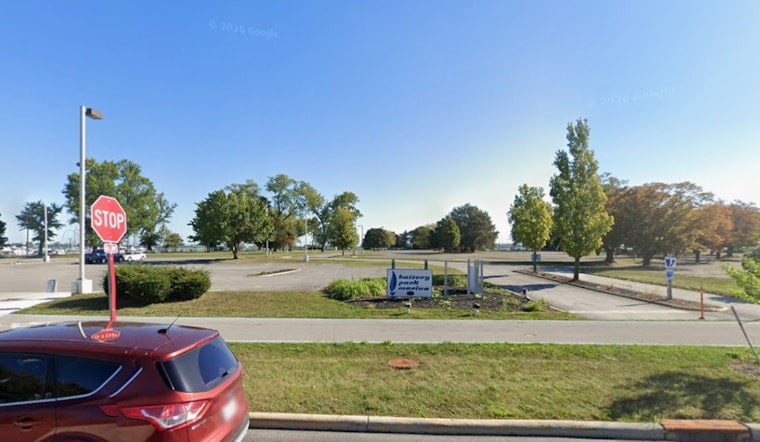
A long-promised waterfront transformation in Sandusky is no longer just a rendering exercise: The $229 million Battery Park plan has landed a $20 million state tax credit on top of earlier public support. The package is designed to turn an aging marina district and underused lakefront property into a mixed-use destination with housing, hospitality, retail and public space.
The fresh financing award gives the project its biggest boost yet, with state incentives helping close the gap between an ambitious waterfront vision and the brutal arithmetic of construction. Crain’s Cleveland Business reports that state funding was central to making the redevelopment possible.
Ohio’s $20M Award Targets A 22-Acre Lakefront District
Ohio Gov. Mike DeWine and the Ohio Department of Development awarded Battery Park Sandusky a $20 million Transformational Mixed-Use Development tax credit on July 1. The state’s project summary describes a district spanning more than 22 acres, with residential, hospitality, retail, entertainment, recreation and public gathering spaces, plus a boardwalk, waterfront park and marina access, according to Ohio’s project summary.
That award follows a $10 million state brownfield grant approved in 2024 for cleanup at the Battery Park Marina site. The work includes removing contaminated soil, taking out an underground storage tank and addressing pollutants from a vacant pool, while state lawmakers also approved $1 million in one-time funding for Battery Park improvements, according to an Ohio brownfield release and an Ohio House announcement.
Why The Tax Credit Matters To The Marina Plan
Unlike a conventional construction grant, the transformational mixed-use award is a financing tool that developers can use against tax liabilities or sell to raise capital. News 5 Cleveland reported that the project’s application described the credit as an essential source of gap financing, while noting that the state does not issue the credit until the project is completed.
That distinction matters for a development this large. The award can help attract investors now, but it does not mean Ohio has written a $20 million check for a finished waterfront neighborhood, the project still has to secure financing, build the improvements and satisfy the state’s requirements.
Sandusky’s Public-Private Waterfront Bet
The project is being advanced by Willoughby-based Marous Development Group in partnership with the city, which owns the underlying property. City documents describe a development intended to expand public waterfront access, enhance Battery Park and create a signature district linking downtown Sandusky with the bayfront and nearby Cedar Point, while using tax-increment financing and other tools to support the site’s infrastructure, according to Sandusky city documents.
The current design framework calls for roughly 240 apartments and condominiums, about 40,000 square feet of retail, structured parking, a hotel, a private marina and a one-acre waterfront park. Design firm Vocon’s project page says the first phase of buildings and public-realm improvements is beginning in 2026, putting the long-discussed redevelopment on a more immediate timetable.
The State Support Lowers The Hurdle, Not The Stakes
Ohio law requires applicants to show a viable financial plan and evidence that the project would not be completed without the credit, with the tax certificate contingent on completing the approved development. The statute also caps the credit for a single transformational mixed-use project at $20 million, making Battery Park’s award the maximum available under the program, according to the Ohio Revised Code.
For Sandusky, the award turns a long-running waterfront proposal into a project with a more credible financing stack. The next test is whether the state-backed promise can translate into signed financing, construction activity and, eventually, a lakefront district that works for residents as well as the tourists already passing through town.





