

























































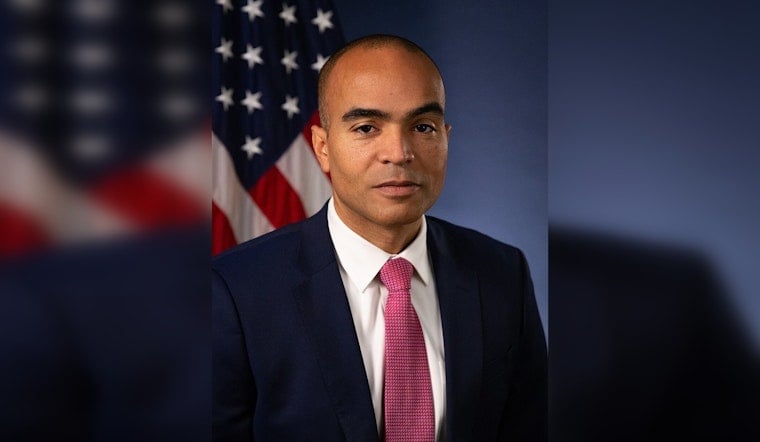
Washington Attorney General Nick Brown is moving to pull the plug on a lineup of "social casino" apps and claw back hundreds of millions of dollars, arguing the games amount to unlicensed gambling that drained money from state residents. The new filing sweeps in mobile slot, poker and bingo-style titles and zeroes in on heavy in-app spending over the last several years, putting industry heavyweights and their subsidiaries squarely back in regulators' sights.
What the suit alleges
In a state-court complaint filed Feb. 3, 2026, Washington names Playtika, Aristocrat and several of their subsidiaries and says more than 150,000 Washingtonians used the companies' casino apps each month, spending in excess of $225 million since September 2020. The state is asking judges to declare the apps unlawful, block their operation, and force the companies to refund money Washingtonians lost under state gambling and consumer-protection laws. The full list of claims and defendants is laid out in the filing from the Washington Attorney General.
Legal precedent that matters
Brown's office leans heavily on a Ninth Circuit decision that held virtual chips can be a "thing of value" under Washington law, a ruling that reopened the door to recovery in earlier Big Fish litigation. That 2018 opinion, Kater v. Churchill Downs, is explicitly cited in the new filing and remains central to the argument that free-to-play casino chips can fall under the state's anti-gambling statutes, as detailed in Kater v. Churchill Downs.
Past settlements show the stakes
The money at issue is not hypothetical. Big Fish-related litigation produced roughly a $155 million settlement in 2020, and Playtika has already disclosed a prior Washington settlement in its own securities filings tied to similar claims. Those earlier payouts, combined with the new complaint's accounting of recent in-app spending, explain why regulators and consumer lawyers view these cases as a real path to recovering player losses. For background, see Playtika's filing with the SEC and coverage of the Big Fish deal from GeekWire.
Why it's resurfacing now
The issue roared back into the headlines in July after a separate proposed federal settlement would let Amazon Appstore users seek roughly $201 million directly from app developers instead of collecting from Amazon itself. The deal, filed in Seattle, refocused attention on who ultimately picks up the tab for alleged gambling losses. Reporting on how Amazon gamblers were told to go after app makers for $201 million, alongside industry coverage from CDC Gaming, has highlighted how such settlements can shift recovery pressure onto developers and make state enforcement actions like Brown's far more consequential.
Industry pushback
Defendants and some gaming insiders are not buying the state's theory. A former Nevada regulator told local reporters that Washington's approach may stretch gambling law beyond what lawmakers intended, and company spokespeople have pushed back on the idea that their products are illegal casinos hiding in plain sight. A Product Madness spokesperson said the company "denies the allegations and intends to vigorously defend the action," according to industry coverage, and local reporting captured skeptical commentary from outside regulators. For more on the response, see reporting from SBC Americas and KOMO.
What Brown is asking the court to do
The complaint asks for a declaration that the apps violate Washington's Gambling Act and Consumer Protection Act, a preliminary and permanent injunction stopping the apps from operating in the state, restitution of lost funds to Washingtonians, and statutory civil penalties. The specific statutory claims and requested remedies are spelled out in detail in the filing from the Washington Attorney General.
The case is pending in King County Superior Court and is expected to collide with related federal and platform-level litigation as defendants respond and judges sort through overlapping claims. Court filings and company statements will shape whether Washington's social casino crackdown becomes a one-off skirmish or the opening round of a much larger fight.





