

























































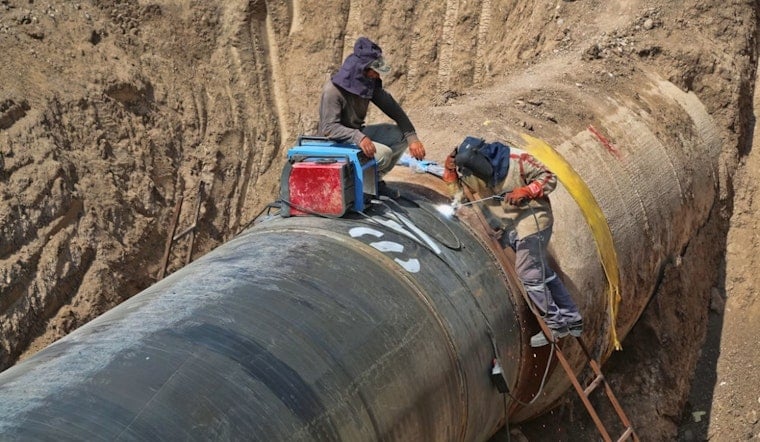
Federal dollars to finish the long-delayed Arkansas Valley Conduit are finally moving through Congress, but many small towns in southeastern Colorado say the local cost to hook up could still leave them on the wrong side of the pipe. Local leaders warn that a ballooning project estimate and steep “tier three” bills for delivery spurs and treatment upgrades may make clean surface water unaffordable for cash-strapped water districts.
Rep. Lauren Boebert, who represents much of the valley, successfully folded language to ease repayment terms for AVC participants into the FY2027 Agriculture appropriations bill that the House passed in early June, according to Rep. Lauren Boebert. Her office says the change is designed to cut interest and extend repayment so rural districts can better manage the pipeline’s local share.
Ballooning Price Tag Could Push Bills Higher
Mayors and water managers say the cost estimate for the conduit has more than doubled since earlier federal estimates, a shift that would amplify the local share and could push household water bills sharply upward. La Junta’s mayor says estimates rose from about $600 million to “close to $1.3 billion,” and independent reporting has put the total at roughly $1.39 billion, as reported by CBS Colorado and The Colorado Sun.
Reverse Osmosis Is Not A Long-Term Fix
Several towns, including La Junta and Las Animas, already use reverse-osmosis plants to strip uranium, radium, and other contaminants, but those systems create concentrated waste that must be managed and are expensive to run. Rocky Mountain PBS reported that La Junta’s plant (online since 2004) leaves a salty, selenium-rich concentrate that the city currently blends with sewer flow, and local officials say that disposal burden is not a sustainable long-term answer.
Politics And The Path Forward
Politics has complicated the finance picture: President Trump vetoed the bipartisan Finish the Arkansas Valley Conduit Act and the House failed to override the veto earlier this year, leaving lawmakers to try to tuck the repayment fix into larger spending bills or pursue new legislation, according to the Congressional Record and reporting from CPR. Colorado’s delegation and local water agencies say they are still working on options to make hookups affordable while construction continues on completed reaches of the trunk line.
For now, towns say they will keep applying for grants and moving design work forward, but time is tight: several grant windows and low-interest loan deadlines mean small systems must act quickly to design delivery spurs and submit applications if they hope to connect when the pipeline arrives, according to Water Education Colorado and the Southeastern Colorado Water Conservancy District. Residents and elected leaders now face a stark choice: pay much more for safe drinking water or continue leaning on expensive, imperfect local treatment.




