

























































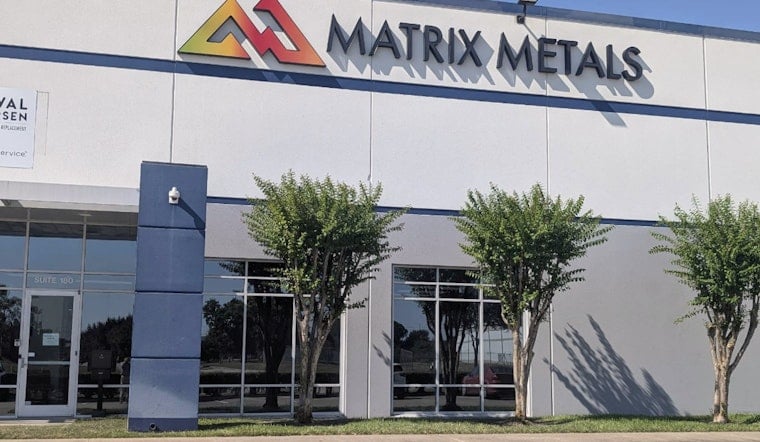
Stafford metal supplier Matrix Metals LLC has agreed to shell out $1.18 million to resolve federal allegations that it improperly snagged a second-round Paycheck Protection Program loan during the pandemic. Prosecutors say the company was too large and too intertwined with affiliated entities to qualify, and the deal wraps up a civil claim brought under the False Claims Act.
According to the U.S. Attorney's Office for the Southern District of Texas, Stafford-based Matrix Metals LLC agreed to pay $1,175,529.20 to resolve allegations that it obtained a Second Draw PPP loan in January 2021 even though Matrix and its affiliated entities collectively employed more than 300 people. The settlement stems from a qui tam whistleblower complaint, and investigators worked the case alongside the Small Business Administration. The announcement also went out on the office's official X account U.S. Attorney SDTX on X, and the release underscores that "the claims resolved by the settlement are allegations only, and there has been no determination of liability."
How prosecutors say the loan failed to qualify
Second Draw PPP loans generally capped eligible borrowers at 300 employees, according to the U.S. Small Business Administration. Public PPP loan records list a Matrix Metals LLC entry in Stafford, tied to a Zions Bank loan in the $350,000 to $1 million range at 10643 West Airport Suite 100. Investigators reviewed that public loan data as part of the inquiry, and those records, read against SBA rules, frame why prosecutors zeroed in on how Matrix counted its employees and corporate affiliations for eligibility.
SDTX enforcement of pandemic-relief fraud
The Southern District of Texas has been active on PPP-related False Claims Act recoveries, including a $4.15 million settlement by Magseis FF LLC in December 2025, according to the U.S. Attorney's Office, Southern District of Texas. These cases often turn on whether companies properly counted employees at affiliated entities and fully disclosed material facts when applying for or seeking forgiveness of Second Draw loans.
What the False Claims Act allows
The False Claims Act allows private whistleblowers to file qui tam suits on the government's behalf and authorizes treble damages and civil penalties for false claims, as set out in 31 U.S.C. § 3729. Those qui tam provisions give whistleblowers, known as relators, a chance to share in any recovery and are central to many FCA enforcement cases.
The civil settlement in the Matrix Metals matter returns more than $1.17 million to the government and closes out the whistleblower lawsuit without any finding of liability. For Stafford manufacturers and contractors, it serves as a pointed reminder to keep affiliation charts and payroll headcounts airtight when tapping federal relief funds.




