

























































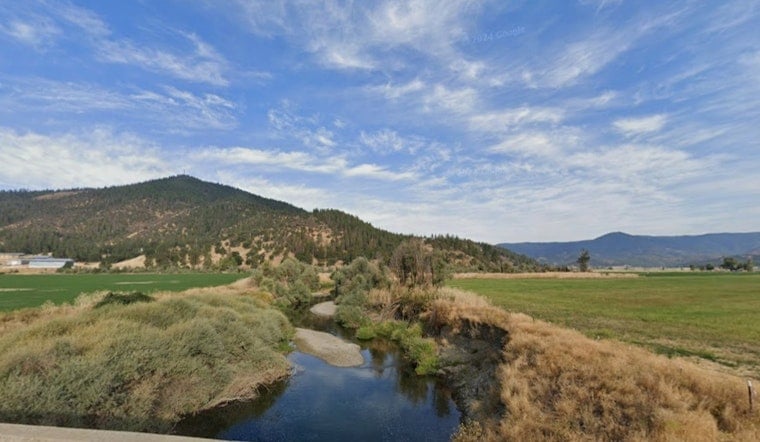
California water regulators have signed off on a financing package that could shift nearly 40,000 acres in the Scott River headwaters back into tribal hands, in what state officials are calling one of the largest land return efforts in California history.
The move would allow the Quartz Valley Indian Reservation to acquire roughly 39,686 acres in the upper Scott River basin. Tribal leaders and state staff say the goal is to restore and protect headwater forests and streams in the Klamath Basin so salmon, wildlife and local communities have a better shot at surviving a hotter, drier future.
In a July 21, 2026 resolution, the California State Water Resources Control Board authorized a Clean Water State Revolving Fund financing agreement for the "Scott River Headwaters Property Land Back, Protection" project and approved up to $25,000,000 in project financing. The resolution describes the acquisition as roughly 39,686 acres and characterizes the work as land protection and restoration intended to reduce commercial timber harvest, protect shade-providing vegetation, and cut sediment and high stream temperatures that damage fisheries, according to the State Water Resources Control Board.
State environmental agencies quickly boosted the news on social media. The announcement was reposted on X by CalEPA, which reshared the board’s message calling the transaction the "2nd largest tribal 'land back' deal in California." CalEPA on X. If the purchase closes, it would trail only the Yurok Tribe’s roughly 47,000-acre Blue Creek acquisition in 2025, as reported by the San Francisco Chronicle.
Loan Terms And Conditions
This is not a blank check. The board set the financing at 0 percent interest for a 30-year term, with up to $5 million in principal forgiveness, and attached a detailed list of financial and management safeguards. The resolution requires the tribe to establish a reserve fund equal to four years of debt service, record a first lien on the acquired properties and their revenues, and provide a satisfactory legal opinion about property rights before the deal can close. The tribe has identified carbon-credit proceeds and timber-harvest revenues as proposed repayment sources, and the financing is tied to a Property Management Plan and a Nonpoint Source Management Plan that must be developed after acquisition, according to the State Water Resources Control Board.
Why The Headwaters Matter
The Scott River watershed has long been listed as impaired for sediment and temperature, conditions that put serious stress on Chinook and coho salmon and other cold-water species. The Scott River Watershed Council’s strategic action plan leans on the same toolbox that this financing is meant to support: upslope and riparian protection, reduced sediment delivery, and vegetation management to keep streams cold enough for fish to survive. Those priorities, and the role of state and federal restoration programs in funding monitoring and smaller projects in the basin, have been documented in regional reporting by Maven's Notebook.
Legal And Financial Notes
The board’s approval comes with a suite of legal safeguards. The tribe must record clear title and a first lien on the properties, deliver documentation of any options agreement with the seller, and agree, for the limited purpose of enforcing the financing agreement, to waive sovereign immunity. State conditions also require the tribe to produce management plans within set timeframes so that restoration actions and water-quality benefits are measurable and can be enforced if needed.
Next steps depend on the tribe meeting the conditions laid out by the board, from building the required financial reserve to providing legal opinions and documentation from its partners, before a final financing agreement is executed. Supporters say the acquisition would expand tribal stewardship and fire resilience in the headwaters, while state staff have framed the loan as a way to pair watershed protection with a tribal-led return of ancestral lands.




