

























































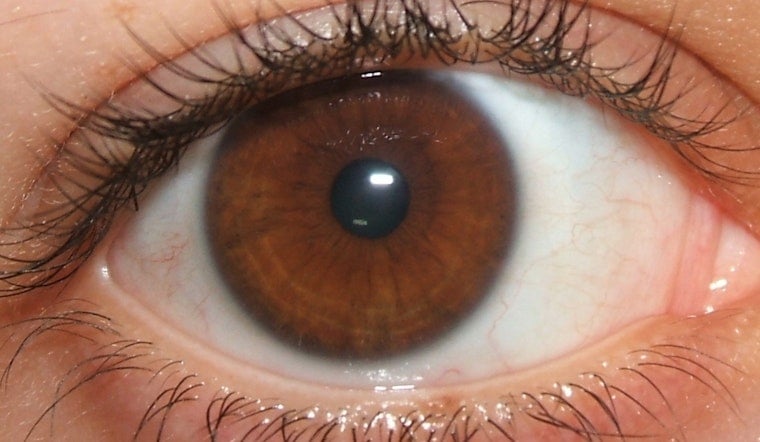
Rare but serious vision problems linked to blockbuster GLP-1 weight loss drugs are colliding with a booming gray market for cheap copycat injections, and Tampa is right in the middle of it. New case reports and stepped-up federal enforcement are raising a blunt question for anyone getting these shots locally: do you really know what is in that vial, and who made it?
Small Case Series, Big Questions
In a case series published in JAMA Ophthalmology, researchers described nine patients who developed sudden vision problems after starting semaglutide or tirzepatide. Seven were diagnosed with nonarteritic anterior ischemic optic neuropathy (NAION), one with bilateral papillitis and one with paracentral acute middle maculopathy.
The authors stressed that they could not prove the drugs directly caused the eye damage. They suggested that rapid correction of high blood sugar might explain some of what they saw. Several patients had unusual features for these conditions, including swelling in both optic discs and vision loss that kept getting worse instead of stabilizing.
Specialists Say Risk Is Tiny, But Not To Ignore
Eye and hormone specialists told Prevention that these vision problems appear to be very rare, yet still “worthy of investigation.” Their message to patients on GLP-1 drugs was straightforward: any sudden change in vision deserves an urgent exam.
Dr. Christoph Buettner told the outlet that fast shifts inside the body after starting a powerful GLP-1 might be one possible mechanism. Dr. Howard Krauss said the potential signal needs careful study, not panic. Clinicians are advising gradual dose increases and close follow-up, especially for people with diabetes or a history of eye disease.
Bigger Data Sets Show A Modest Signal
Broader observational studies have also picked up a small rise in optic nerve problems among people who start semaglutide or tirzepatide, according to an analysis in JAMA Network Open. The authors emphasized that these population studies do not prove that the drugs are to blame.
Even so, when those findings are combined with the case reports, investigators say there is enough smoke to justify better surveillance and clearer guidance for prescribers. At the same time, they note that underlying diabetic eye disease and how quickly blood sugar is lowered can muddy the picture and make it harder to tease out cause and effect.
FDA Flags Adverse Events And Red Flags
The U.S. Food and Drug Administration has warned that unapproved and compounded versions of GLP-1 drugs carry real safety risks. The agency has documented reports of dosing mistakes, counterfeit or mislabeled vials and shipping conditions that can weaken or contaminate the product, according to the agency.
By May 31, 2026, the FDA said it had received about 990 reports tied to compounded semaglutide and more than 730 tied to compounded tirzepatide, and it urged health care professionals and patients to send problems to the MedWatch system, per the agency. Regulators have also reminded sellers that slapping “for research use only” on a bottle does not protect them from enforcement if they are clearly marketing to consumers.
Gray Market Workarounds Feed The Risk
Reporting from the Tampa Free Press and other outlets describes an expanding parallel market that runs alongside the official supply of GLP-1 drugs. Raw peptide powders, repackaged vials and telehealth-linked compounding services have opened cheaper and faster routes for people hunting for weight loss shots.
Some suppliers sell peptide ingredients with “research-use” labels, then turn around and provide dosing instructions or bundle bacteriostatic water. Regulators say those details clearly signal that the products are meant for human use and raise obvious safety concerns. That mix of heavy demand, creative marketing and uneven oversight has been blamed for dosing blunders and quality problems that are not exactly confidence-inspiring.
Inspections Turn Up Manufacturing Lapses
FDA inspection letters to certain foreign makers of active pharmaceutical ingredients have cited manufacturing lapses that include residue left on equipment, poor control of water systems and failures in sterile processing. Those kinds of problems can undermine the quality of bulk GLP-1 ingredients that compounding pharmacies later use, according to an FDA inspection letter.
Findings like these have helped the agency justify import alerts and tighter restrictions on GLP-1 ingredients sourced from overseas. Regulators warn that such lapses increase the odds that a compounded vial will be unsafe or simply not work as intended.
Regulators Move To Clamp Down
The FDA has proposed removing semaglutide and tirzepatide from the 503B bulk drug list, which would limit large-scale compounding operations that use bulk ingredients. News coverage has also documented an uptick in warning letters to online sellers and telehealth platforms that offer unapproved products.
Reuters reporting described the FDA proposal as an effort to curb risky mass compounding now that branded GLP-1 drugs are widely available in regular channels. Industry analysts say the strategy of combining tighter import controls with targeted enforcement is meant to protect patients while keeping access open to FDA-approved medications.
What Patients In Tampa Should Do
Experts told Prevention that anyone who develops sudden blurriness, loss of part of their visual field or eye pain after starting a GLP-1 drug should stop taking the medication and seek urgent medical care, including an eye evaluation.
They also advise checking that prescriptions come from a licensed clinician and a state-licensed pharmacy, hanging on to packaging and dosing records and reporting bad reactions or product-quality concerns to the FDA or state health officials. Local clinicians say that careful monitoring and open communication with prescribers remain the best protection while the science and the enforcement efforts catch up.
Regulators and researchers agree that more data are needed to pin down who is most at risk for these rare eye problems and why they occur. For now, they emphasize that for the vast majority of patients, the proven benefits of FDA-approved GLP-1 medicines still outweigh the very rare potential harms. Yet with real safety signals emerging in case reports and a thriving gray market operating alongside legitimate pharmacies, both prescribers and patients in the Tampa area are being urged to think hard about where those weight loss shots are coming from and how they are handled.





