

























































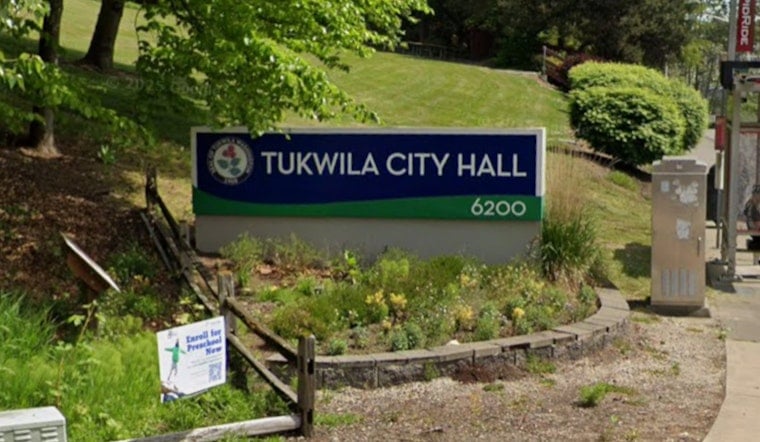
Tukwila is flirting with some of the toughest camping rules in the region, as city leaders consider a new ordinance that would turn camping on public property into a misdemeanor carrying the possibility of jail time and a hefty fine.
The proposal has already drawn sharp reactions. Supporters say it would give police a necessary, last-resort tool to clear out dangerous encampments. Opponents counter that it risks criminalizing people who are already struggling with homelessness, addiction and mental-health issues, without fixing the root problems.
Under the draft measure, camping would be banned on all city-owned property, including parks, rights-of-way, sidewalks and other public spaces. Violations could bring up to 90 days in jail and a $1,000 fine, according to FOX 13 Seattle. City officials say officers would first offer shelter and services, and only escalate to enforcement if someone refuses to leave public property. The City Council was slated to vote on the ordinance at its Monday, July 20 meeting, and if approved it would take effect five days after passage and publication.
Interim Police Chief Eric Lund, who brought the proposal forward, told councilmembers that any criminal enforcement would be used sparingly. In the past year, he said, there has been only one encampment where the person refused to leave. Lund estimated there are currently between five and 10 encampments in Tukwila, primarily along the Interurban Trail and in city parks, according to FOX 13 Seattle. He also noted that the Tukwila Police Department contracts with mental-health professionals to respond to crisis calls and handle outreach.
Legal backdrop
The ordinance leans directly on the U.S. Supreme Court’s 2024 ruling in Supreme Court, which held that cities can enforce generally applicable public-camping regulations even when there is not enough shelter space available. Supporters in Tukwila say that decision opened the door for local governments to attach criminal penalties to camping bans. Advocates for people experiencing homelessness, on the other hand, argue it lets cities sidestep investments in housing and services by leaning more on the criminal-justice system.
Public reaction
When the council opened the floor for public comment, the room split quickly.
Some residents and service providers pushed for stronger tools to deal with encampments they view as unsafe or unsanitary. One case manager, who said he had previously been homeless himself, argued that simply staying in a tent is not a solution, telling officials, “Being in a tent does not help anybody.”
Others warned that criminal penalties would land hardest on people with the fewest options. They argued the proposal targets individuals rather than the systems that failed them, and at least one councilmember said she did not believe homelessness itself should be treated as a crime.
Where this fits in local code
Tukwila’s existing park code already bans camping in parks and treats many violations as civil infractions rather than criminal offenses. The new ordinance would widen the camping prohibition to cover all city property and, in some situations, allow for misdemeanor charges.
The current park rules spell out detailed definitions for terms like “camp” and “camp paraphernalia” and describe the authority of Park Rangers, all laid out in the city’s regulations, per the Tukwila Municipal Code.
What’s next
The City Council vote was scheduled for Monday night. If the ordinance passes, officials say officers would still focus first on voluntary compliance and referrals to services before turning to criminal enforcement.
With advocates already signaling potential legal and policy challenges, the fight over how Tukwila handles public camping is unlikely to end with a single council vote.





