

























































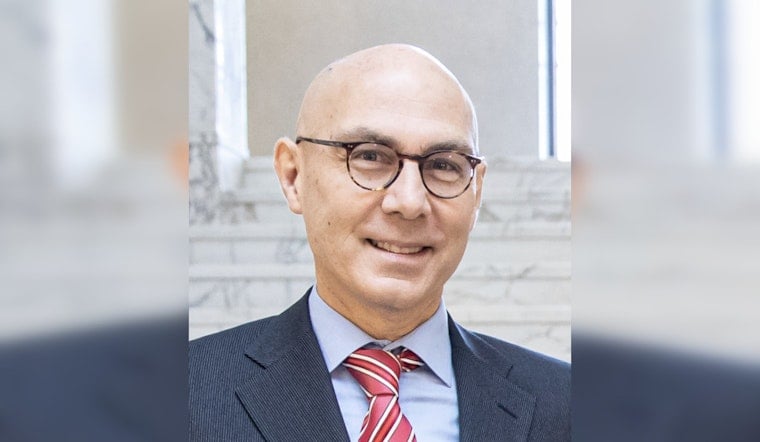
The United Nations’ top human rights official just cleared a major political stress test. On Friday, the U.N. General Assembly voted to hand Volker Türk a second four-year term as U.N. High Commissioner for Human Rights, brushing aside objections from the United States, Israel and Russia. The move keeps Türk in charge of the rights office as the world body grapples with crises from Gaza to China and comes as Secretary-General António Guterres’ own leadership edges toward a transition. Türk’s current mandate had been due to expire on Oct. 11.
The 193-member Assembly backed him by 144 votes to 10, with 13 abstentions, according to The Associated Press. The lopsided tally signaled broad support from many states, even as a vocal bloc of governments and human rights advocates complained about how the reappointment was handled and about parts of Türk’s record.
Why now: timing and maneuvering
Secretary-General António Guterres quietly put Türk’s name forward after private consultations, and Russia countered with a proposal for a shorter extension to Dec. 31 that would have left the ultimate choice to the next secretary-general, Reuters reports. Diplomats and observers told the outlet that the fight over timing reflected deeper disagreements about how loudly the U.N. should call out major powers and whether the rights office should lean on public naming and shaming or quieter, behind-the-scenes diplomacy.
Blunt criticism, cautious defense
The U.S. State Department slammed the pace and handling of the vote as "another example of the U.N.'s inherent corruption and incompetence" and accused Türk of having "turned a blind eye to real atrocities" while pursuing "a radical ideological agenda," while Israel’s foreign ministry labeled the decision the secretary-general’s "latest moral failure," according to The Associated Press. Former Human Rights Watch director Ken Roth called the process a "stealth procedure" and charged that Türk had not pushed hard enough on the Uyghur crisis. U.N. spokesman Stéphane Dujarric defended the nomination as transparent and squarely within the secretary-general’s authority, and the rights office said Türk was "ready to serve."
What it means for the office
The reappointment is unusual: no previous high commissioner has completed two full terms, and U.N. documents reviewed by Reuters indicate that Türk’s mandate now stretches into 2030. Supporters argue that this kind of continuity can help the office carry out long-running investigations and follow through on broad, systemic recommendations. Critics counter that the bruising battle over his nomination risks further politicizing the human rights agenda and making it harder to work with key governments.
For now, Türk stays at the helm, and the U.N. rights office will have to ride out the immediate fallout from the vote while trying to safeguard its credibility with member states and civil society. The reappointment is likely to loom large in the debates over who should be the next secretary-general and how U.N. human rights work will be shaped in the coming years.





_(cropped).jpg)