

























































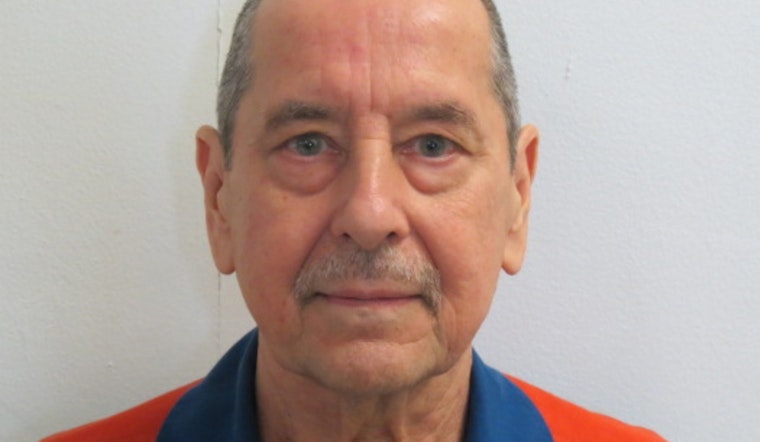
After years of legal whiplash, 79‑year‑old Warren resident Jerome Kowalski now formally stands on a no‑contest plea to second‑degree murder in the 2008 killings of his brother and sister‑in‑law in Livingston County. A recent degree hearing confirmed the plea and narrowed the charge level, closing one particularly tangled chapter in a case that has already seen a 2013 conviction, a later vacatur and years of appeals and public scrutiny. Kowalski remains free on bond, and the court still has not set a sentencing date.
Degree Hearing Ends With Second‑Degree Plea
Monday's hearing, the court determined that Kowalski’s plea is to second‑degree murder, according to ClickOnDetroit. The outlet reports that the judge formally recorded the plea during the degree hearing, which resolved whether Kowalski would be treated as a first‑ or second‑degree murderer for sentencing purposes. The court did not set a sentencing date at the conclusion of the hearing, ClickOnDetroit noted.
Attorney General Says Plea Was Part Of Cobbs Deal
According to a press release from the Michigan Attorney General’s office, Kowalski originally entered his no‑contest plea in October 2025 to two counts of open murder and two counts of felony‑firearm as part of a Cobbs agreement with the court. “The plea was the product of a Cobbs agreement between Kowalski and the Court,” the office said, emphasizing that prosecutors objected to the arrangement and stating that the Attorney General will continue to pursue what it views as a just outcome. See the release from the Michigan Attorney General.
Conviction Vacated After Judicial Misconduct
Kowalski’s legal journey grew far more complicated after his 2013 conviction was thrown out in 2019, when appellate courts found that his original trial had been tainted by judicial misconduct. A detailed opinion describes how then‑Judge Theresa Brennan failed to disclose a relationship with the lead Michigan State Police investigator, a conflict that ultimately contributed to her removal by the Michigan Supreme Court. The appellate record set the stage for a retrial and the plea arrangement now in front of the court; see the opinion from the Michigan Court of Appeals and the disciplinary order from the Michigan Supreme Court.
What Happens Next
With the court now treating the plea as second‑degree murder, the case moves into a holding pattern ahead of sentencing. A formal sentencing date has not been scheduled, according to court records and local reporting, and ClickOnDetroit reported that the degree hearing wrapped up on July 20. Kowalski previously served about 13 years and eight months in custody before securing release on bond in 2023, the Michigan Attorney General said. Prosecutors have objected to the plea package, and the Attorney General’s office says it will continue to contest the outcome as the case moves toward sentencing and any additional challenges.
How Cobbs Pleas Work
Under Michigan law, a Cobbs agreement lets a judge give a defendant a preview of the sentence the court is inclined to impose if the defendant pleads guilty or no contest. That preview is not binding, however. If the judge later announces that the originally estimated sentence will not be followed, the defendant must be allowed to withdraw the plea. Michigan’s benchbooks and case law underline that judges have to spell out this right clearly and stick to the specific rules laid out in People v. Cobbs. For more detail, see the plea‑practice guidance from Michigan Courts.
Backstory And Reaction
Since the 2008 killings, the Kowalski case has been a local flashpoint in Livingston and Macomb counties, prompting family protests and intense media coverage, especially as the judicial‑misconduct saga around Judge Brennan unfolded. The long path to the current plea, including Kowalski’s October 2025 no‑contest move, was detailed in Hoodline’s earlier report on Kowalski’s no‑contest plea. Officials on both sides say the legal fight is not over yet, with sentencing still ahead and the possibility of further legal wrangling to come.





