

























































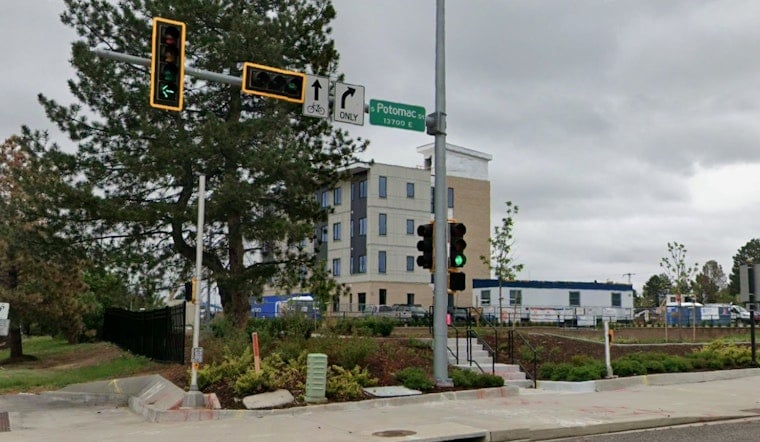
A new 43-unit housing development at 1290 S. Potomac St. in Aurora is set to open in November, pairing permanent supportive housing directly with mental health and recovery services on the same campus. The Sanctuary on Potomac already has more than 3,000 people on its waiting list, even before its doors open.
The project is a partnership between Aurora Mental Health and Recovery and the Aurora Housing Authority, according to Sentinel Colorado. All 43 units are referral-based and designed for people working to exit homelessness, with tenants referred through existing behavioral health and supportive service networks and community partners, per an emailed statement cited by the outlet. Tod Cavey, a spokesperson for Aurora Mental Health, said the project will prioritize individuals who can benefit from stable, affordable housing combined with supportive services.
The housing sits within Aurora Mental Health and Recovery's Potomac Medical Campus, which the nonprofit operates. That campus already includes the Potomac Pavilion, a $44 million, 24-hour crisis care center offering same-day care, walk-in crisis and detox services, substance use intervention, and a crisis stabilization unit — details Colorado Politics reported when the Potomac Pavilion opened in January, offering a 24/7 crisis walk-in clinic, a 16-bed crisis stabilization unit, and a 45-bed withdrawal management facility.
Building on a 7.3-Acre Medical Campus
The Sanctuary on Potomac broke ground in May 2025 on the nonprofit's 7.3-acre campus, a parcel Aurora Mental Health and Recovery originally purchased in 2020 for $7.3 million, according to Colorado Politics. Locating the housing on the same grounds as the crisis care center is meant to create what the Sentinel describes as a more connected continuum of support, reducing barriers to care for people experiencing behavioral health challenges.
Financing for the housing came together through a mix of public sources. The Colorado Housing and Finance Authority awarded the project a $1.4 million federal tax credit and a $700,000 state tax credit, while the state housing board contributed a $550,000 housing development grant, per the Sentinel's reporting. All 43 units will also receive project-based vouchers through federal Section 8 housing funding, according to the Aurora Housing Authority, with the units having 24-hour staff and security on site.
Waitlist Reflects a Wider Housing Crunch
Martin Petrov, director of the Aurora Housing Authority, acknowledged the financial strain such projects carry even with need clearly present. “The need is there, but these properties have very large operational costs that need additional funding,” Petrov said, a point underscored by the fact that a 43-unit project already has a waiting list stretching past 3,000 names.
That gap tracks with the city's broader housing shortfall. City of Aurora municipal housing data published this year shows a deficit of 7,500 to 8,500 affordable housing units citywide, with only about 400 shelter beds available across Aurora. The city has been leaning on partner nonprofits and housing authorities rather than operating direct municipal shelters to close that gap.
Homelessness Numbers Send a Mixed Signal
The project also arrives against a backdrop of rising overall homelessness paired with falling street homelessness. The January Point-in-Time count conducted by the Metro Denver Homeless Initiative recorded 832 people experiencing homelessness in Aurora, up from 626 in 2025, as reported by the Denver Gazette. Yet unsheltered homelessness in Aurora dropped 24% year-over-year in the same count, while Arapahoe County saw a 35% reduction in unsheltered residents and counted zero unsheltered families.
Local officials have attributed that drop in street homelessness to expanded outreach and new navigation facilities, including the Regional Navigation Campus that the city opened in November 2025. Operated by Advance Pathways, the campus offers a three-tiered shelter system meant to move unhoused residents toward employment and permanent housing. That progression makes permanent supportive housing developments like the Sanctuary on Potomac the next step for people who have already moved off the street and into shelter.
Co-Developers Face Their Own Turbulence
The Sanctuary on Potomac's two lead partners have each weathered rocky stretches this year. In May, Aurora Mental Health and Recovery announced it would eliminate 111 staff positions — roughly 14% of its workforce — and close select residential and community programs, citing a $13 million budget deficit, as Hoodline reported in coverage of the layoffs. Colorado state officials disputed the nonprofit's framing, with the Governor's office stating that Aurora Mental Health and Recovery was required to repay $7.2 million after overestimating its actual care delivery costs under the state's pre-paid Medicaid reimbursement model.
The Aurora Housing Authority, meanwhile, recently emerged from its own governance fight. In May, the Aurora City Council voted to roll back a controversial ordinance that had attempted to restructure the housing authority's board, after the authority successfully challenged the changes in court. It remains an open question how Aurora Mental Health and Recovery's staffing cuts will affect service delivery at the new housing campus once tenants begin moving in this November.





