

























































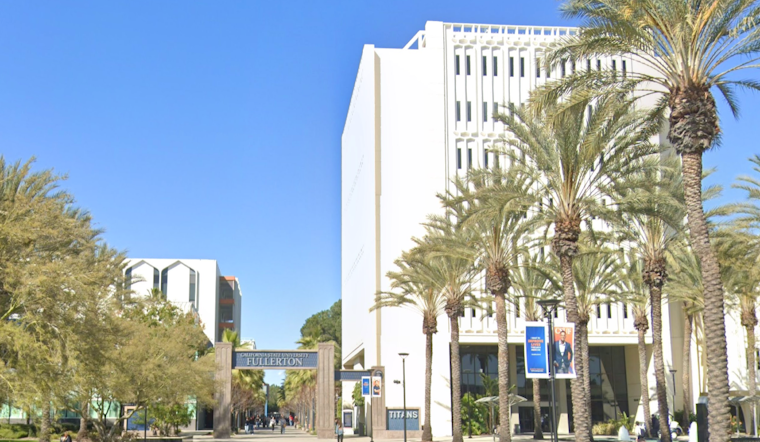
Thousands of returning Cal State Fullerton students spent the final weeks of summer refreshing their student portals, waiting on financial aid decisions that normally would have landed months earlier. Federal rules bar universities from actually disbursing aid until within 10 days of the school year starting, but this year the problem ran deeper than timing — some students didn't even learn their precise grant and loan amounts until mere weeks before fall classes began.
The delay traces back to a federal fraud-protection change rolled out by the U.S. Office of Federal Student Aid in April 2026, which pushed aid files to some universities, including Cal State campuses, five to six weeks later than usual, according to the Mountain View Voice. The change was prompted by the 2025 One Big Beautiful Bill Act, the same law that lowered borrowing caps for students and parents, with the new caps taking effect in 2026. April Grommo, describing the disruption, called the delay during the financial aid cycle very unusual.
At Cal State Fullerton alone, roughly 23,000 returning students were affected by the federal delay, receiving their aid information later than normal as of the start of this month. Returning students there typically get their financial aid amounts between May and June, but this cycle the campus wasn't able to provide that information until near the end of the academic year, per the same account. The timing collided directly with the campus's tuition payment deadline, which typically falls in mid-July — meaning some students learned their aid amounts only after that deadline had already passed.
Campus Scrambles to Adjust Deadlines and Holds
Cal State Fullerton responded by pushing its tuition payment deadline back to August 19, just three days before the fall semester begins on August 22. The university also lifted holds tied to dropped-course notifications, a step Grommo said signals that a student remains enrolled and in good financial standing even while their aid file is still pending. Financial aid staff at the campus worked overtime to compensate for the federal backlog, and staff sent explanatory emails and posted updates on Instagram to keep students informed about the delays and the dropped-course notifications.
Sydney Yee, a rising senior, finance major and vice president of Cal State Fullerton's student government, said financial aid staff had been proactive about communicating the delays. Several Cal State schools were short-staffed heading into the crunch, compounding the challenge of processing a wave of aid files all at once.
Social Media Anxiety Versus the Official Picture
The uncertainty spilled onto social media well before students got answers. A Cal State Fullerton student posted on Reddit at the start of August expressing concern about FAFSA delays and the possibility of being dropped from courses, and similar complaints surfaced from students at San Jose State, Cal State Long Beach and Cal State Northridge. Late federal aid can also stem from causes unrelated to the fraud-protection overhaul — a sudden loss of family finances not reflected in application income data, an audit of a family's finances, grades falling too low to continue qualifying for aid, or a student simply applying well into summer.
Despite the online alarm, student leaders and university officials reported no major abnormalities beyond the federal-driven slowdown itself. Joe Nino said the California State Student Association was not aware of the issue being widespread, and the association later reported no major uptick in student complications. The association has protections in place specifically designed to prevent students from being dropped from courses because of FAFSA delays, and Cal State campuses generally had provisions to keep enrolled any students whose financial aid awards were still pending.
By Wednesday, Cal State Fullerton students began receiving their financial aid disbursements, easing much of the immediate pressure as the semester's start drew near. Grommo advised students to set up and regularly monitor their school email accounts and to keep calling the financial aid office with questions rather than wait passively for updates.
Aid Delays Land Amid Years of Rising Tuition
The stakes around timely aid processing are heightened by a broader financial squeeze already facing Cal State students. In September 2023, the CSU Board of Trustees approved 6% annual tuition increases running from fall 2024 through the 2028-29 academic year, ending more than a decade of mostly flat tuition across the system's 23 campuses, according to California State University. Under that plan, a third of the new revenue generated by the increases is required to flow directly into the State University Grant program, CSU's internal financial aid buffer.
The scale of aid involved is enormous: CSU disbursed approximately $5.5 billion in financial aid last year to more than 385,000 undergraduate and graduate students systemwide. About 80% of CSU students receive some form of financial aid, and roughly 65% of undergraduates earning bachelor's degrees graduate without loan debt. More than 211,000 CSU undergraduates rely on federal Pell Grants, representing about half of the system's undergraduate population — a dependence that helps explain why a five-to-six-week federal processing delay could ripple so widely across campuses this summer.
Students who submitted their FAFSA or California Dream Act Application by the California Student Aid Commission's March 2 priority deadline were largely insulated from the worst of the disruption, since the financial aid delay did not affect students who applied by that date. University officials placed the blame for the broader slowdown squarely on federal government delays rather than any breakdown at the campus level, even as individual schools like Fullerton worked to patch the gap with shifted deadlines and lifted holds.





