

























































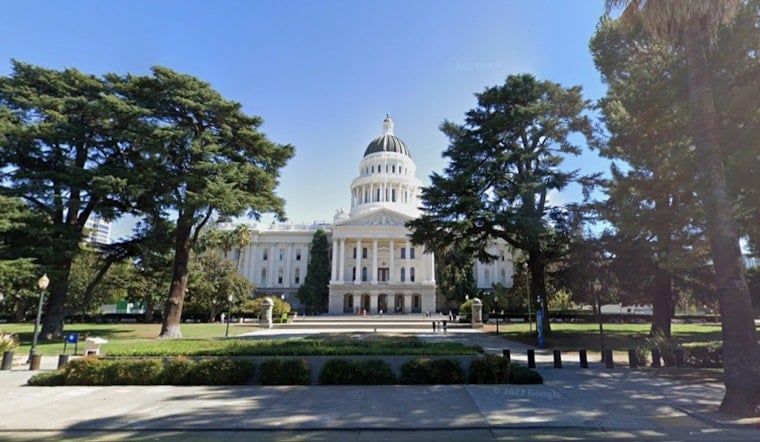
California lawmakers and Gov. Gavin Newsom have officially outlawed the use of non-disclosure agreements in state lawmaking and taxpayer spending, closing a secrecy loophole that let officials hide everything from a $20 fast-food minimum wage deal to a state office building project that ballooned past $1 billion. The new prohibition makes it a crime for the governor and top state officials to sign or require NDAs while crafting legislation or deciding how to spend public money.
According to KCRA, the bill was introduced directly in response to reporting on the state's use of non-disclosure agreements — or its willingness to let outside groups use them — at taxpayer expense. Assemblymember Joe Patterson, who authored the measure, said it marks an essential step toward increasing transparency throughout California's government, per the same report. Patterson had already written an earlier law, approved by state lawmakers and the governor in 2025, that barred legislators themselves from using NDAs when drafting new legislation.
A Fast-Food Deal Struck Behind Closed Doors
The new law traces back to how California's fast-food minimum wage law came together. Newsom's office oversaw the negotiations that produced the law, which raised fast-food worker pay to $20 an hour statewide, and the governor's office allowed SEIU California to require the fast-food industry to sign NDAs during the talks in 2024. SEIU California itself insisted on the confidentiality agreements covering those secret negotiations, KCRA reports.
Harsh Ghai, one of the largest Burger King franchise operators in the country, told the station he was left in the dark about the law because of those NDAs. Joseph Bryant, an SEIU official and member of California's Fast Food Council — the body meant to set wages and working conditions for fast-food workers statewide — would not confirm or deny to KCRA that he had signed a non-disclosure agreement himself. Newsom's office has said that neither the governor nor his staff signed the agreements.
The law also included a carve-out for bakeries that both bake and sell their own bread, a provision separately scrutinized in national coverage after reports tied it to billionaire Panera Bread franchisee Greg Flynn, a Newsom campaign donor, though Flynn ultimately agreed to pay workers the full $20 hourly wage, according to AP News. Newsom's administration denied favoritism, asserting that Panera locations did not qualify for the carve-out because their dough was mixed off-site, the AP notes.
The Billion-Dollar Building Nobody Could Talk About
The other scandal fueling the new law involves the Capitol Annex, the 525,000-square-foot office building under construction to house 120 state lawmakers, the governor and the lieutenant governor, as detailed by the Folsom Times. The California Legislature directed roughly 2,000 people — including five state lawmakers and dozens of people within the governor's administration — to sign NDAs about the project, per KCRA's reporting. The building's estimated cost has climbed to $1 billion and counting, KCRA reports, while the Folsom Times has put the figure even higher, citing an expansion from an initial $440 million estimate to more than $1.2 billion by 2025 under the cover of non-disclosure agreements and environmental litigation.
Project leaders did not provide taxpayers with a cost update for years, KCRA reports, and the Joint Rules Committee went nearly three years without releasing a formal public accounting, only producing a document in late 2025 once construction had reached roughly 50 percent completion, according to the Folsom Times. Hoodline previously covered the leadership shakeup tied to the project's climbing costs. Assemblymembers Patterson and Josh Hoover sent formal letters demanding the governor intervene and force transparency on the project, the Folsom Times reports.
Closing the Loophole for Good
Patterson's Assembly Bill 1652 aims to make NDA use a crime for the California governor and his administration, extending the ban his earlier law placed on legislators to the executive branch itself. Patterson said the administration is involved in negotiations for every major piece of legislation that passes out of California, underscoring why he pushed to close that gap. Sacramento's crackdown on legislative secrecy did not stop at the state Capitol: the Legislature also passed Senate Bill 994, authored by Sen. Christopher Cabaldon, extending NDA prohibitions on official public business to local government agencies and municipal officials, according to LegiScan.
Transparency advocates have long noted the irony of a state government that moved early to ban private-sector secrecy clauses — including the 2018 STAND Act, which banned confidentiality provisions in civil settlements involving sexual harassment, assault or discrimination — while its own officials kept using NDAs to negotiate laws and taxpayer-funded construction. Ashley Zavala, KCRA's political director and host of California Politics 360, which airs Sundays at 8:30 a.m., reported the story that pieced together how these NDAs shaped both the fast-food wage law and the Capitol Annex project. Non-disclosure agreements are, at their core, contracts that legally require individuals to keep information confidential — a tool now off-limits to California's state lawmakers, its executive branch, and its city and county officials alike when it comes to public business.


