

























































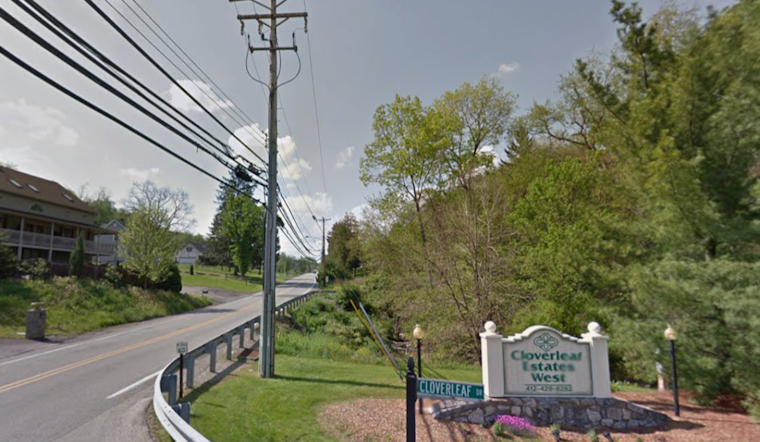
Mark Bradway has lived at Cloverleaf West in Carnegie for eight years, and in that time his monthly lot rent has climbed from $515 to $800 — a 56% increase that he says has left him and his neighbors feeling trapped. Bradway argues the community is overcharging its senior residents, and he's not alone in that belief: neighbors have joined him in an escalating fight over rising costs at the 55-and-over manufactured home community.
According to WPXI-TV, Bradway was billed for 700 gallons of water usage over 90 days — a figure he calls impossible, since it would work out to roughly 82 gallons per day. Cloverleaf estimates residents' water bills rather than metering each home individually, according to the station's report, and Bradway says that estimate has only added to his frustration with a 25% markup he believes the community charges above what's fair.
Susan Vitch, another resident, organized a protest outside Cloverleaf West and says the community has nowhere else to go. “We are stuck here,” she has said, per the same account, as she works to bring neighbors together and has called on sister communities in Cloverleaf East, Plum, Murrysville, and Delmont to join the effort. Neighbors have received support from dozens of passing car horns during the demonstrations, and they plan to place signs in front of the community and continue protesting daily, with some residents planning to travel to the ownership group's headquarters.
Who Owns Cloverleaf West
Cloverleaf is owned by Sampson Morris Group, a Western Pennsylvania real estate firm with more than 60 years of operating history that manages upwards of 3,500 residential units, including over 2,000 manufactured housing lots across the region, according to Sampson Morris Group. Founded by A.L. Sampson, the firm's portfolio spans manufactured home communities, apartments, and commercial flex space. The company did not respond to WPXI's request for comment on the rent increases or the water billing dispute.
Even as residents picketed, Cloverleaf Communities promoted “Double Open House” sales events at Cloverleaf Estates West on August 1 and again Saturday, marketing renovated 55-and-over homes with updated kitchens, per Cloverleaf Communities. The continued marketing push came as existing tenants were organizing outside the same property over land-lease rates.
A Stalled Bill in Harrisburg
State Rep. Liz Hanbidge is the primary sponsor of House Bill 1250, legislation that would protect seniors in Cloverleaf communities and others like them from steep yearly rent increases. Under the bill, annual lot rent increases in manufactured home communities would be tied to the Consumer Price Index for the Northeast Region, capped between 2% and 4%, and park owners would need to give 90 days' written notice and disclose extraordinary operating expenses to justify any above-inflation increase, according to the Pennsylvania General Assembly.
The Pennsylvania House passed HB 1250 in June 2025 by a 144-59 vote, with bipartisan support that included 42 Republican representatives alongside the Democratic majority, as reported by The Center Square. Hanbidge has said the governor would sign the bill if it reached his desk, and that it would pass the Senate if Republicans there allowed a floor vote. Instead, Pennsylvania Senate Republicans have stalled the measure, and companion bills introduced by Sen. Judy Schwank remain similarly stuck in committee.
As of this month, HB 1250 remains parked in the Republican-controlled Senate Urban Affairs and Housing Committee, where it was referred in June 2025. If it does not receive a floor vote before the legislative session ends in November, the bill will officially expire, according to the same outlet. Support for the bill has grown as manufactured-home residents across Pennsylvania demand similar protections, and Cloverleaf West neighbors have now joined that broader fight.
No Cap Under Current Law
Under current Pennsylvania law, the Manufactured Home Community Rights Act — Act 261 of 1976 — restricts park owners from raising lot rent more than once every 12 months but places no cap on the size of that increase, according to the Pennsylvania General Assembly. The same law requires 180 days' notice and relocation payments of $4,000 to $6,000, but only if a community closes permanently — offering no relief to residents facing annual rent hikes while their community stays open.
That gap matters because moving a manufactured home is rarely realistic. In 2026, relocating a single-wide unit in Pennsylvania typically costs between $3,000 and $6,000, while a double-wide can run $6,000 to more than $12,000, factoring in specialized movers, transportation permits, and escort vehicles, per Forbes. Many older manufactured homes cannot be moved at all due to their structural age or restrictions imposed by receiving communities, leaving residents like Bradway with little leverage against annual increases.
Industry Pushback and Wider Stakes
Manufactured housing operators, including Valley Community Management, have opposed HB 1250, arguing that CPI-based rent caps amount to de facto rent control, per The Center Square's reporting. Industry representatives contend that manufactured housing remains a vital affordable homeownership option but that capital investment is needed to maintain site infrastructure, and they warn that a cumbersome approval process for above-inflation increases could limit maintenance and improvements.
Pennsylvania lawmakers have testified that private equity firms and institutional investors have increasingly acquired manufactured housing communities statewide, imposing steep lot rent increases on fixed-income seniors who own their homes but lease the ground beneath them, according to the Pennsylvania House Republican Caucus. Legal analysts at Friedman Vartolo LLP reported that the legislative gridlock, combined with escalating lot rents, raises default and foreclosure risk for lenders holding chattel loans on manufactured homes, since residents must cover both a home mortgage and a rising land lease from the same fixed income.
For now, the outcome rests with a Senate committee that has yet to schedule a vote, leaving Bradway, Vitch, and their Cloverleaf West neighbors to keep protesting outside the community where they say they have nowhere else to go.



