

























































Nathan McDonnell was just a normal 13-year-old from Chester County, Pennsylvania, until seizures started stealing pieces of him. He would stop talking mid-sentence, stare blankly, mumble, drool, and his lips would turn slightly blue. His mother Noelle watched it happen more than once, and no medication could make it stop.
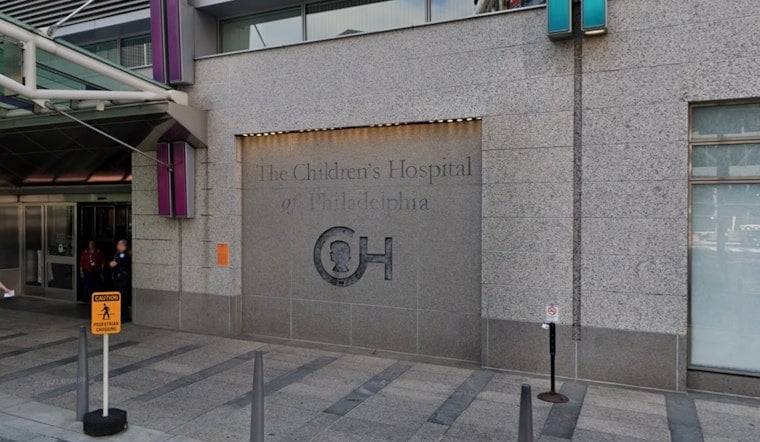
What doctors eventually found was a benign brain tumor sitting in Nathan's left temporal lobe, quietly triggering seizures that antiseizure drugs could not control, according to CBS News Philadelphia. The discovery came after Nathan's ordeal began three years earlier, in 2023, and eventually led his family to the specialists at Children's Hospital of Philadelphia. Dr. Benjamin Kennedy, a pediatric neurosurgeon and Director of Epilepsy and Functional Neurosurgery at CHOP, would later tell the station that surgery was the only option left.
A Tumor Hiding in the Language Center of the Brain
Nathan's tumor sat in a particularly delicate spot. Temporal lobe tumors like his frequently sit near the brain's language and verbal memory functions, according to a clinical profile released by Children's Hospital of Philadelphia, meaning removing it carried real risk to how Nathan speaks and remembers words. Kennedy specified the tumor's location and explained that removing it stops the seizure activity while also preventing the progressive cognitive decline that ongoing seizures can cause in the healthy brain tissue surrounding a lesion like Nathan's.
Before anyone could touch the tumor, Nathan needed to be connected to machinery that recorded his brain activity, mapping exactly where the seizures originated and where critical functions lived nearby. Those recordings gave doctors a roadmap for the surgery, work performed inside CHOP's specialized epilepsy monitoring unit, which conducts advanced brain mapping as part of its mission. That unit is housed within a Level 4 Pediatric Epilepsy Center accredited by the National Association of Epilepsy Centers — the highest national tier for complex epilepsy care — and includes an eight-bed inpatient Epilepsy Monitoring Unit dedicated to continuous video-EEG, per the hospital's own materials.
Why Drugs Alone Were Never Going to Work
Nathan's case fits a pattern doctors see repeatedly. Roughly 30% of people diagnosed with epilepsy go on to develop drug-resistant epilepsy, meaning seizures persist even after trying two appropriate medications, according to the Child Neurology Foundation. Tumors like Nathan's fall into a category researchers call long-term epilepsy-associated tumors, or LEATs — slow-growing, benign growths, often gangliogliomas or dysembryoplastic neuroepithelial tumors, that are intrinsically epileptogenic and tend to respond well to early surgical removal, per research indexed in PubMed Central.
The stakes of getting a referral like Nathan's right are larger than one family. Data from the Centers for Disease Control and Prevention and the Institute of Medicine, cited by Lurie Children's Hospital, found that fewer than 1% of drug-resistant epilepsy patients nationwide are ever referred to comprehensive epilepsy centers, leaving an estimated 100,000 to 200,000 surgical candidates without specialized treatment. A retrospective study published in The Lancet Child & Adolescent Health, also reported by Lurie Children's Hospital, found that children who undergo cranial epilepsy surgery see an over 80% reduction in long-term mortality risk compared with those treated with medication alone.
Four Hours in the Operating Room
Nathan's surgery took four hours, with the CHOP team isolating and removing his benign tumor while working around the mapped-out language and memory pathways nearby. Kennedy has said that removing seizures is extraordinarily rewarding work. Nathan experienced complications afterward but recovered completely, his family told the station.
Research on cases like his suggests why surgeons push for early intervention once medications fail. A multi-year clinical study analyzing pediatric patients with low-grade epilepsy-associated brain tumors, indexed on PubMed, found that 74.4% achieved complete seizure freedom after surgery, with 80% able to stop taking antiseizure medications entirely. Separate research published in Pediatric Neurology has shown that early epilepsy surgery in children with brain malformations and low-grade tumors helps prevent developmental arrest and preserves cognitive development compared with delayed treatment, since ongoing seizure activity during childhood growth windows can otherwise impair how the brain develops.
Back to Basketball, Flag Football and Scouting
Today Nathan is back to the life a seizure disorder had interrupted — basketball, flag football, and scouting are all part of his routine again. Noelle said she is thankful for her son's recovery, and the family has said the experience taught them to appreciate life more. For families elsewhere in the region, CHOP maintains a regional neurodiagnostic network with outpatient EEG testing and specialty care centers across Chester, Bucks, Montgomery and Lancaster counties, giving suburban Pennsylvania families a path to local diagnostic evaluation before any trip to Philadelphia for surgery becomes necessary.





