

























































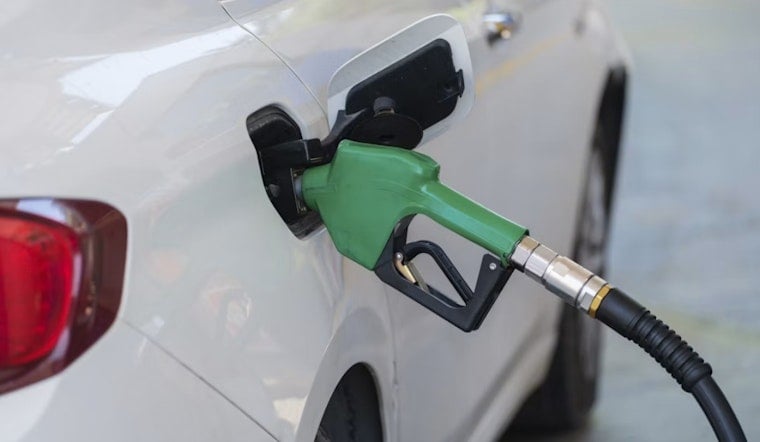
Columbus drivers filling up before Labor Day weekend are staring down some of the highest late-summer gas prices ever recorded, with Central Ohio averaging $4.12 per gallon and some stations charging as much as $4.49. Diesel has climbed even further, reaching $5.58 per gallon, squeezing commuters and truckers alike just as the unofficial end of summer arrives.
The numbers, first reported by NBC4 WCMH-TV, show a wide spread across the region: the cheapest Columbus-area station was priced at $3.79 per gallon while the priciest charged $4.49, a 70-cent gap surveyed across roughly 500 Central Ohio stations by GasBuddy. Statewide, Ohio's average settled at $4.02 per gallon after falling 20.7 cents over the past week, while the national average climbed to $4.05 per gallon, up 2.9 cents. Nationally, gasoline is now sitting at its highest level ever recorded this late in the calendar year, according to the outlet's report.
Sunday's Central Ohio price was 70 cents higher than the same date a year earlier and 20.2 cents higher than just a month ago, even though prices locally actually fell 23.7 cents per gallon over the past week. Ohio was one of just 10 states where prices declined during that stretch, a modest reprieve that still leaves drivers paying far more than they did in August 2025, when Hoodline reported Columbus averages sitting between $3.00 and $3.55 a gallon.
What's Driving the Squeeze at the Pump
GasBuddy's head of petroleum analysis, Patrick De Haan, pointed to international turmoil as the underlying cause. He said the Strait of Hormuz remains closed and that gas prices will keep reacting negatively for consumers as long as that chokepoint stays shut and attacks continue in Ukraine. Diesel has felt the pressure even more acutely, rising 16.6 cents per gallon as the crisis ripples through fuel markets, per the same report.
De Haan also noted that peace talks in the Middle East could reverse the recent price trends if progress is made, offering the clearest path toward relief for Ohio drivers. Ongoing Ukrainian attacks on Russian refineries have constrained global refined fuel supplies, a dynamic that WSLS reports has become a primary driver behind late-summer price hikes across the country, independent of how much crude oil is actually being pumped out of the ground.
A Regional Pattern of Refinery Trouble
Central Ohio's vulnerability to these shocks isn't new this year. The Chronicle-Telegram detailed how a severe Midwest price spike in May 2026 stemmed from an unplanned power outage at BP's Whiting refinery in Indiana along with scheduled maintenance at two major Illinois facilities, illustrating how heavily the region depends on a small cluster of refineries. Summer-blend gasoline requirements, mandated by federal rules to limit smog-causing emissions during warmer months, also add costly production steps that won't ease until the seasonal switch to winter-blend fuel in mid-September.
Layered on top of those market forces are fixed tax costs that never change with the headlines. Ohio charges a 38.5-cent-per-gallon excise tax on gasoline and 47 cents per gallon on diesel, according to the Ohio Department of Taxation, with revenue dedicated to building and maintaining highways, roads and bridges. Add the federal government's 18.4-cent-per-gallon gasoline tax and 24.4-cent diesel tax, unchanged since October 1993 per the U.S. Energy Information Administration, and Ohio drivers are paying a combined 56.9 cents per gallon in taxes before a drop of fuel even touches the pump.
Lawmakers Have Tried to Offer Relief
State legislators have taken notice of the strain. Ohio Representatives Ty Mathews and Adam Bird introduced House Bill 850 in May, proposing to cut the state gas tax in half for three months to give motorists and small businesses some breathing room, according to the NFIB. Hoodline previously covered Mathews pushing a similar gas tax holiday back in May as prices approached $5 a gallon. State officials, however, have pushed back against such tax holidays given the resulting loss of funding for road construction and bridge repairs.
For context on just how extreme these prices are, the national record for average gas prices heading into Labor Day weekend was $3.83 per gallon, a mark set in 2012 and tied in 2023, according to Forbes. Ohio's own all-time record came on June 9, 2022, when statewide prices hit $5.06 per gallon, and the Columbus metro averaged $5.07, a spike tied to global crude shocks following Russia's invasion of Ukraine, as reported by Hometown Stations. Today's prices remain below that ceiling, but they're still pushing well past what drivers have grown accustomed to seeing this time of year.
The practical impact lands squarely on household budgets. Filling a 25-gallon tank in a large SUV or pickup now costs around $100 when gasoline runs above $4 per gallon, while a 15-gallon tank runs about $70. National gas prices have also jumped 92.6 cents per gallon compared to this time last year and could exceed $4 per gallon nationwide by Labor Day itself, according to NBC4 WCMH-TV's reporting.
Nationally, the trend line has been climbing since summer began, but Columbus drivers are also contending with the kind of price-cycling common across Great Lakes states, where stations hike prices overnight before gradually discounting them over the following days. That pattern helps explain why the gap between the cheapest and priciest Columbus-area pumps can stretch to 70 cents on any given day, even as the broader market pushes averages higher heading into the holiday weekend.





