

























































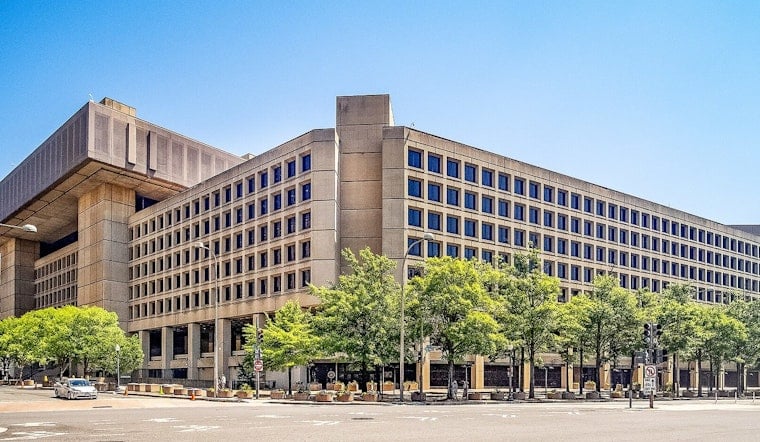
A Washington-based FBI counterintelligence supervisor is accused of siphoning cryptocurrency from an overseas criminal target, moving it into his own wallet and building a stash investigators valued at about $1 million. The case is an especially awkward one for the Bureau: the alleged takings were not hidden in a duffel bag, but on a blockchain ledger investigators traced back to him.
Patrick Yaroch was arrested over the weekend and charged with possession of stolen property, according to The New York Times. Charging papers say he made 10 or 12 unauthorized withdrawals beginning in late 2024 or early 2025, deposited the cryptocurrency into a personal wallet and later told investigators he was unsure how much he had taken. He has not been charged with stealing the cryptocurrency itself, an important legal distinction in a case that remains at the accusation stage.
Blockchain Trail Leads Investigators To Personal Wallet
The FBI has previously explained that cryptocurrency transactions leave a record on the blockchain, allowing investigators to follow funds from wallet to wallet even when the identities behind those wallets are not immediately visible. As the Bureau notes in its own explanation of crypto investigations, that ledger can become a map of where digital assets originated and where they moved next.
In Yaroch’s case, investigators reportedly obtained a passphrase connected to the suspect’s account and found approximately $1 million in cryptocurrency in his wallet. FBI officials also searched his home over the weekend, while Yaroch allegedly acknowledged making unauthorized withdrawals and said he wanted to get the theft off his chest.
Retirement Plans And A ChatGPT Query Draw Scrutiny
The investigation also turned toward Yaroch’s personal financial ambitions. A search of his internet activity showed that he asked ChatGPT in May how to invest $1 million, while the Times reported he had discussed potentially retiring around age 40 and eventually pursuing a slower vineyard or agricultural lifestyle in southern Italy or Portugal.
Those details do not establish a motive by themselves, but they give prosecutors a possible window into the financial pressure or aspirations surrounding the alleged withdrawals. Yaroch also reportedly told an unnamed Justice Department employee about the theft and said he had been “spinning out of control,” according to the report.
Crypto Fraud Is Expanding As Federal Scrutiny Grows
The allegations arrive against a backdrop of rapidly growing cryptocurrency-related crime. The FBI’s 2025 Internet Crime Complaint Center report recorded 181,565 complaints involving cryptocurrency and $11.366 billion in reported losses, increases of 21% and 22% from the previous year; investment fraud alone accounted for more than $7.2 billion.
A separate Washington-area case shows how quickly crypto disputes can become criminal prosecutions. In March, Hoodline reported that former Mercer Island startup CFO Nevin Shetty was sentenced to two years in federal prison after a jury found he diverted roughly $35 million from his employer into a personal cryptocurrency venture.
Theft Allegation Remains Unresolved In Court
For now, the government’s case against Yaroch centers on possession of allegedly stolen property, while the broader accusation that he took the cryptocurrency remains uncharged as a separate theft count. Prosecutors would still need to prove the elements of the charged offense in court, and Yaroch is presumed innocent unless proven guilty.
The case is expected to turn on the evidence investigators say they recovered: wallet records, withdrawal activity, the passphrase and Yaroch’s own statements. He has reportedly cooperated with investigators and planned to continue speaking with them after consulting a lawyer, leaving the next stage of the case to federal prosecutors and the courts.





_b.jpg)