

























































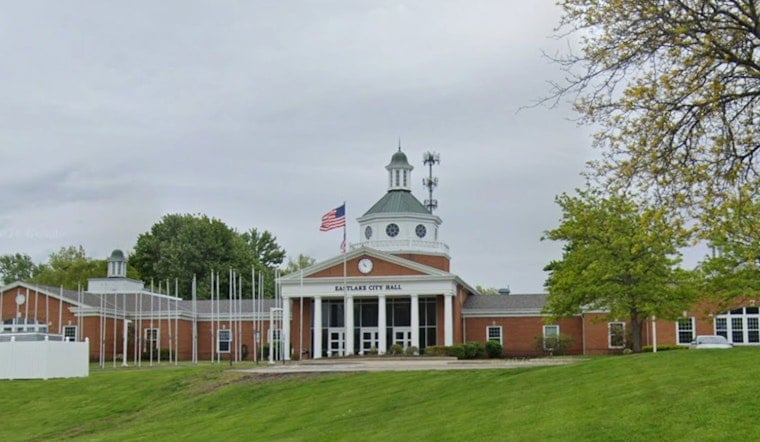
A 4-year-old Lake County boy ended up hospitalized with internal bleeding after his family says he swallowed water at Eastlake’s Surfside Park splash pad. Now, the city is facing a lawsuit that blames dangerously high chlorine levels for a medical emergency that unfolded only days after the facility opened for the summer.
Brandon and Sarah Kent filed the Lake County Common Pleas Court lawsuit on behalf of their son, naming the city of Eastlake and five unidentified splash-pad operators, employees or contractors as defendants, according to Cleveland.com. The complaint seeks compensatory damages for the child’s injuries, his parents’ medical expenses and their alleged loss of companionship.
The timeline in the lawsuit is unusually tight: Surfside Park opened June 3, the boy visited June 4, and he developed fever and abdominal pain the next day. By early June 8, the family says he was vomiting blood and passing blood, prompting an ambulance trip to Hillcrest Hospital and an admission to its pediatric intensive care unit.
The complaint alleges that a June 2 inspection found chlorine levels posing an imminent health hazard—more than twice the cited safe amount—before firefighters responded to reports of fumes and chlorine exposure on June 5. The pad allegedly reopened June 6, then closed again later that day after another emergency response, according to Cleveland.com.
Lake County Splash Pads Face Routine Water Checks
That dispute now lands against a clear regulatory backdrop. The Lake County General Health District says it licenses and inspects more than 100 pools and spas, including splash pads, checking disinfectant levels, pH, chemical storage and operating logs.
Ohio’s aquatic-device rules say free chlorine should preferably be maintained between 2 and 4 parts per million and never below 1 ppm, while pH should stay between 7.2 and 7.8, according to the Ohio Administrative Code. Those standards do not decide the Kent family’s case, but they help explain why the complaint centers on testing, reopening decisions and who was responsible for monitoring the system.
After initial treatment at Hillcrest, the boy was transferred to Cleveland Clinic’s main campus, where doctors performed an endoscopy and additional testing; the family says he received two blood transfusions before being discharged June 10. The complaint says a pediatric gastroenterologist attributed the injuries to chlorine exposure, but that conclusion—and the city’s potential liability—will be tested in court.
What The Lawsuit Will Have To Prove
The lawsuit’s allegations are not findings of fact, and no liability has been established. The city and the other defendants will have an opportunity to respond as the case moves forward, with the central questions likely to include whether the water was unsafe, whether the splash pad should have reopened, and who controlled its operation.



