

























































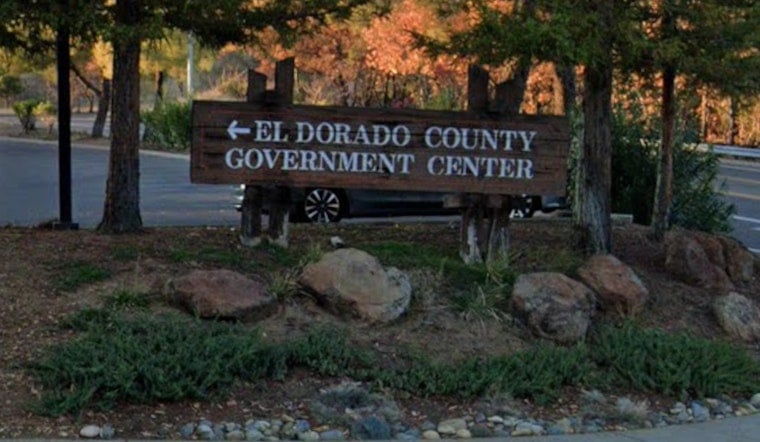
El Dorado County supervisors took a step toward loosening vacation-property regulations on the county's rural west slope, voting 5-0 to direct staff to draft new ordinance language that would ease several restrictions passed just two years earlier. The changes would remove a 500-foot buffer requirement between rental properties on parcels larger than five acres, allow detached guest houses to be used as short-term rentals, and revise how the county counts children toward occupancy limits.
The vote, reported by the Sacramento Bee, follows pushback from west slope rental owners who say the county's 2024 vacation-rental ordinance was too tailored to the crowded Lake Tahoe Basin and doesn't fit the realities of rural, spread-out parcels. Those owners told the Bee that restrictive policies limited their ability to earn money from vacation properties, and that the rules went too far given how different west slope land use is from the Tahoe Basin.
Supervisor Brian Veerkamp, who represents Placerville and the surrounding area, argued the county needs to give rural property owners room to succeed. “The county needs to open up the ability for success,” Veerkamp said, adding that people need the ability to keep income coming, according to the same Bee report.
Fire Insurance Costs Squeeze Rural Owners
West slope rental owners said income from short-term stays is increasingly needed to cover rising costs, including fire insurance, per the Bee's reporting. That pressure lines up with county-level data: an April 2026 analysis from MoneyGeek found Placerville ranked third among all California ZIP codes in state FAIR Plan residential exposure, with $6.8 billion in high-risk coverage — a 132% jump over four years as commercial insurers dropped foothill properties. Countywide, more than 28,000 properties, representing 28% of all structures in El Dorado County, now carry FAIR Plan policies, according to the same analysis.
London Litza, one of the west slope rental owners cited in the Bee's reporting, said she can no longer lease out a house adjacent to her own home under the current rules. “I just want to raise chickens, raise my babies, and provide a getaway for couples,” Litza said.
A Split Vote On Buffers
Not every proposed change passed unanimously. Supervisors approved removing the 500-foot buffer restriction for parcels larger than five acres on a 4-1 vote, with Supervisor Lori Parlin dissenting. Parlin, who represents northern El Dorado County including Shingle Springs, questioned the outreach conducted in rural neighborhoods and argued the buffer rule may protect rural property owners from clusters of vacation rentals clustering too close together.
Supervisors also pulled one proposed change out for a separate vote rather than folding it into the broader package, though the specifics of that item were not detailed in the Bee's account. Beyond the buffer change, the board supported allowing detached guest houses to be used as vacation rentals and directed staff to revise occupancy limits — current policy counts children ages 6 and older toward a rental's total occupancy cap, a threshold the west slope ad hoc committee has recommended raising.
The 2024 Ordinance's Original Rationale
The 2024 ordinance that supervisors are now revisiting was adopted to address excessive noise, disorderly conduct, and illegal vehicle parking tied to short-term rentals, and it stated that increasing hosted home and short-term rentals adversely affect residential character, neighborhood stability, public safety, and quality of life. Enforcement has been active since: county officers carried out 21 enforcement actions against rental owners who violated the ordinance and logged 76 additional actions against owners operating with no permit at all, per the Bee.
The west slope currently has 192 active vacation-rental permits and 17 applicants on its waitlist, compared with 746 active permits and 233 waitlisted applicants in the Tahoe Basin — a gap that underscores how differently the two regions have been treated under the same countywide rules. Supervisors also asked staff to create a process to reassess west slope residents who were denied permits or lost them because of the ordinance's changes.
Regional Context And What Comes Next
El Dorado County's move mirrors a broader shift already und
=
}tradferway next door. In March 2026, the City of South Lake Tahoe amended its own short-term rental ordinance to eliminate buffer distances entirely, replacing them with a citywide cap of no more than 900 residential VHR permits, a change Hoodline detailed in its earlier report on South Lake Tahoe's rental crackdown. That city update also set a minimum renter age of 25. The shift away from spatial buffers followed a March 2025 ruling by El Dorado County Superior Court Judge Gary S. Slossberg, who struck down South Lake Tahoe's 2018 voter-approved Measure T entirely after finding its permanent-resident exception violated the dormant Commerce Clause.
The debate also unfolds against a backdrop of fiscal pressure. In adopting its Fiscal Year 2025–26 budget, El Dorado County reported that discretionary Transient Occupancy Tax revenue fell 3.4% year-over-year, prompting administrators to prepare 5% to 10% department budget reduction plans. Short-term stays generate that tax at a rate of 10% on the west slope and 14% in unincorporated Lake Tahoe. County voters have previously resisted raising that tax, rejecting a 2018 ballot measure, Measure J, that would have increased it from 10% to 12%; that measure failed with 56.11% opposed, according to Ballotpedia.
The current push to loosen west slope rules follows a formal public engagement workshop the county held in Placerville in March 2026, where officials gathered feedback specifically on buffer adjustments, guest houses, and occupancy rules ahead of drafting the amendments. With supervisors now directing staff to draft new ordinance language, the next steps will determine exactly how the west slope's rental rules diverge from those still governing the Tahoe Basin.





