

























































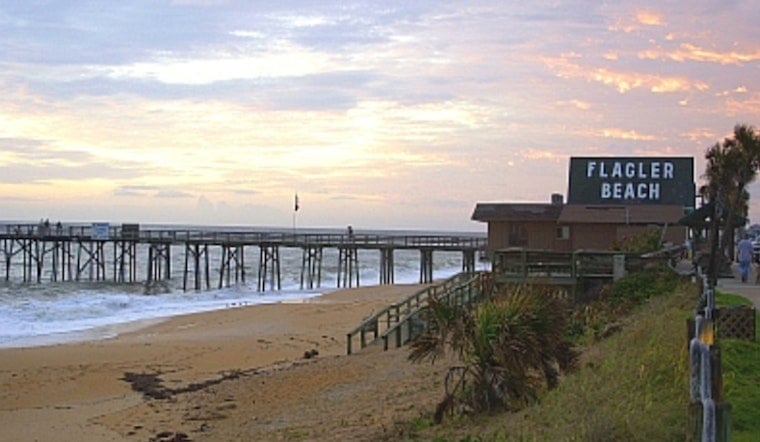
Flagler County is now steering 40 percent of its tourism tax revenue toward beach protection, a move county officials say is necessary to keep pace with erosion but one that could delay other visitor-attraction projects and squeeze facilities residents rely on every day. The county expects to collect about $4.4 million in tourism tax revenue this year, and a growing share of it is going straight into shoring up the coastline rather than funding new recreational amenities.
The shift means less money is available for projects that have historically been funded through the tax, including sports fields, recreational facilities, lighting, the Flagler Beach Pier and beach-access improvements, according to WKMG ClickOrlando. The tax itself is a 5 percent levy charged on short-term rentals, hotel stays, motel rooms and RV park bookings — money paid by visitors, not local property owners — and it generated $4.4 million in county revenue during fiscal year 2025, according to FlaglerLive.
Flagler County Tourism Director Adam Mengel told WKMG that sports tourism is “very big for Flagler County,” but that beach protection has become the more urgent priority for now. “It is a priority right now,” Mengel said, per the outlet's report, adding that the arrangement will hold until a more permanent beach funding plan is developed.
A Fund Built for Parks, Now Bracing for the Coast
The trade-off is stark in dollar terms. Shifting a 1 percent portion of the Tourist Development Tax from capital projects to beach management is projected to shrink the county Tourist Development Council's capital fund balance from a peak of $5.7 million down to $1.5 million, per FlaglerLive's reporting. That fund has been the source for the very facilities — sports fields, lighting, beach access points — that tourism dollars have supported for years, and residents use many of those same tourism-funded facilities themselves.
Flagler County's 18-mile coastline has suffered repeated, catastrophic erosion since Hurricane Matthew struck in 2016, followed by Hurricanes Irma, Dorian, Ian and Nicole, according to historical context from Flagler County Buzz. That storm pattern forced county leadership to abandon small, temporary dune repairs in favor of recurring, large-scale nourishment cycles — a far costlier and more permanent commitment.
Matching Funds Unlock Tens of Millions in Grants
The county's spending is legally grounded: under Florida Statute Section 125.0104, the Local Option Tourist Development Act, counties are explicitly authorized to use bed tax revenue to finance beach improvement, maintenance, renourishment, restoration and shoreline erosion control. That authority matters because Flagler County must provide matching funds for beach projects that are otherwise covered largely by state and federal grants, and those grants can be substantial. In August, the Flagler County Board of County Commissioners approved a $35 million project to rebuild 5.5 miles of coastline — known as Reach 2 — running from North 7th Street in Flagler Beach to Varn Park, with state and federal grants covering 88 percent, or $30.8 million, of the total cost, according to the same FlaglerLive report on capital beach funding.
The payoff for maintaining that federal partnership is significant. The U.S. Army Corps of Engineers completed the county's first-ever federalized beach renourishment project, spanning 3.6 miles, in September 2024, establishing a 50-year federal partnership that provides 100 percent federal funding for emergency repairs after declared storm events, per historical reporting from ClickOrlando. Losing that backing by failing to supply local matching dollars would be costly in the long run.
Interim Deals With Private Beachfront Communities
While the county works out a lasting solution, it has also turned to private coastal landowners for help. Flagler County approved agreements in late 2025 requiring the Hammock Dunes Owners' Association to pay $570,000 annually and Ocean Hammock to pay $175,000 annually toward dune maintenance on their private shorelines, according to the Observer Local News. The county also created a Municipal Service Benefit Unit taxing district in December 2024 covering barrier island property owners as a potential future funding source, though the assessment rate was set at $0.00 while an engineering cost-apportionment study is completed, the Observer reported separately.
Residents Split Over Who Should Pay
The funding shift has stirred debate among Flagler County residents. One resident, identified as Mike, questioned whether taxpayers should be helping protect private beachfront property at all, arguing that residents should not pay to protect private beachfront property, according to WKMG. Another resident, Mary, took the opposite view, supporting the use of tourism funds for beach protection because the beaches are a major tourist attraction for the county.
Mengel said the future funding plan will combine multiple sources and rely heavily on federal and state funds, though the commission has not yet decided exactly how it will pay for a long-term beach management strategy despite discussing the need for one for several years. County officials plan to develop that comprehensive plan over the next year, weighing tourism tax revenue, property tax millage, private agreements like those with Hammock Dunes, and potential MSBU assessments together. In the meantime, beach protection will remain the priority, Mengel said, until a more permanent plan takes its place.
A Bigger Pool of Tourism Dollars Feels the Squeeze
The stakes are tied to a tourism economy that generated $91 million in total lodging sales in Flagler County during fiscal year 2025, according to Flagler County Buzz. Short-term vacation rentals alone brought in $7.5 million in revenue in March 2026 at a 72 percent occupancy rate, per the same report. Florida lawmakers have also been loosening restrictions on how tourism tax money can be spent statewide — HB 7031, passed in 2025, expanded authorized uses of Tourist Development Tax revenue to allow all coastal counties in Florida to fund beach lifeguard operations, according to the Florida Senate. For now, though, Flagler County's beaches — one of its biggest attractions — face growing maintenance costs that officials say show no sign of easing.





