

























































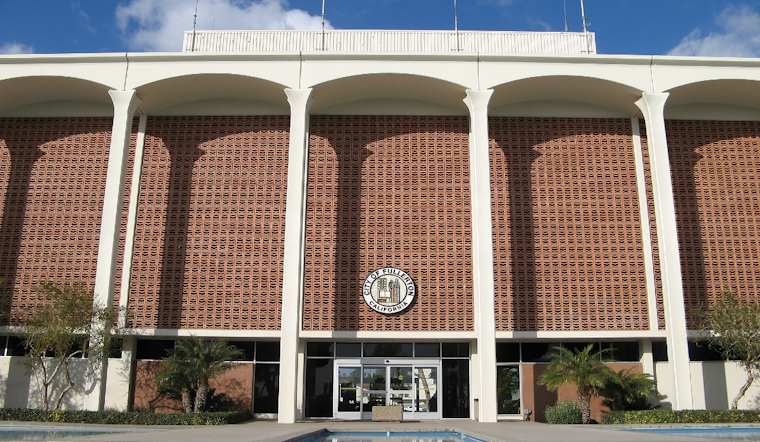
Fullerton will leave two dozen city jobs vacant, including four sworn police officer positions, and has slashed funding for library books and graffiti cleanup after months of budget turmoil tied to a multi-year accounting error that made city reserves look far healthier than they actually were. The Fullerton City Council approved the 2026-27 budget by a 3-2 vote, more than a month after California’s July 1 fiscal-year deadline, closing what had ballooned into a roughly $14 million deficit by relying almost entirely on spending cuts and frozen positions rather than new revenue.
The belated spending plan, detailed by the Los Angeles Times, leaves the city’s police command staff two members short and skips hiring a fire marshal altogether, while the police department turns to overtime to keep operations covered. City staff managed to whittle the deficit down to about $4 million by July before finalizing roughly $7 million in total cuts, according to the same report. Leaving positions vacant citywide is expected to save Fullerton about $5.1 million on its own.
Where the Cuts Landed
Beyond the hiring freeze, the budget eliminates graffiti abatement funding to save $150,000, a move Councilmember Shana Charles warned could create public safety concerns for residents living near unaddressed vandalism. Charles pointed specifically to graffiti on a wall along Placentia Avenue that she said should simply be reported and removed, and she ultimately voted against the budget. The library system absorbed some of the deepest cuts: its book-collection budget was reduced by $240,000, even as the city added non-regular hours for three part-time library staffers, and a previously eliminated library technology position was not reinstated.
Councilmember Ahmad Zahra questioned the wisdom of cutting book funding by that amount and joined Charles in voting no, describing the overall budget as irresponsible and reactionary. Mayor Fred Jung, who approved the plan along with Councilmembers Jamie Valencia and Nick Dunlap, acknowledged the pain the cuts will cause, saying that cutting services is brutal for staff, residents and businesses. Valencia said the budget includes necessary changes and leaves room for improvement throughout the year, while Fullerton has also been leaning on the Library Foundation and Friends of the Library to help subsidize book purchases that the city budget no longer fully covers.
How a Bookkeeping Error Triggered a Fiscal Crisis
The chaos traces back to accounting errors that led city officials to believe Fullerton’s reserves were larger than they actually were. According to Voice of OC, an independent review by Grant Thornton Risk Advisory Services presented in June found that a $2.9 million accounting error originated from improper journal entries in December 2020, made during a land transfer between the General Fund and the Redevelopment Successor Agency, which were then improperly reversed in 2022. City staff had identified that clerical error as dating to 2022 before the full audit traced its roots back further.
The same audit clarified that Fullerton’s broader $10.1 million decline in unassigned general fund reserves during fiscal year 2024-25 stemmed from three sources: a $5.7 million planned budget deficit, $2.7 million in restricted funds improperly recorded in the General Fund, and the $2.9 million property transfer adjustment, according to the city’s own budget FAQ. Notably, Grant Thornton auditors told the council their review was limited to financial governance and accounting procedures and that they were not contracted to conduct a forensic fraud investigation, prompting Zahra to press auditors on how they could rule out fraud without that mandate, per Voice of OC. The audit found no fraud in Fullerton’s books.
Recall Efforts and a Rejected Sales Tax
The reserve miscalculation has had political fallout. Recall petitions were launched in July against Mayor Jung and Councilmember Valencia, with organizers citing mismanagement of city resources, poor leadership and lack of transparency, Voice of OC reported. Both council members had voted in favor of the belated budget and against placing a proposed sales tax measure on the ballot that might have eased the pressure.
That rejected measure, a half-cent sales tax the council voted 3-2 to keep off the November ballot on July 21, would have generated an estimated $15 million annually toward Fullerton’s $200 million street repair backlog, according to the Fullerton Observer. City staff had reported that Fullerton’s pavement condition index is currently the lowest among all Orange County cities, leaving the street backlog to compound even as the general fund crisis absorbed the council’s attention.
Community Events and Overtime Strain Ahead
The squeeze reached beyond staffing and infrastructure. The newly adopted budget also eliminated funding for the city’s annual New Year’s Eve First Night celebration and scaled back the Fourth of July event to a fireworks-only display, the Fullerton Observer noted. Fullerton Police Chief Jon Radus said the department’s hiring freeze will require spreading workload among remaining staff, a strategy that carries its own financial risk: a five-year forecast from the same audit found police overtime costs have historically averaged $2.45 million annually, well above the $1.8 million typically budgeted for it.
That same forecast, presented in July, projected that under every fiscal scenario evaluated, Fullerton’s contingency reserves will remain below the city’s 17% policy goal through at least fiscal year 2030-31. Interim finance staff had warned in March that reserves could fall as low as 2% without sustained adjustments. The budget currently projects a $16 million beginning fund balance in each of the next three years, though the structural deficit driving the overtime and reserve gaps is not expected to resolve on its own.
Auditors Push for a Permanent Fix
To prevent a repeat, Grant Thornton recommended five structural reforms, including hiring a qualified chief financial officer with municipal accounting experience, establishing a standing council finance committee, and standardizing interfund accounting procedures, according to the Fullerton Observer’s coverage of the audit findings. Auditors found that frequent administrative turnover and weak oversight had contributed to the multi-year accounting errors in the first place. Fullerton’s budget process for this cycle began back in March, and under state guidelines, municipalities have up to 60 days after the July 1 fiscal-year start to formally adopt a budget, making the city’s mid-August passage permissible even though it missed Fullerton’s own preferred timeline.



